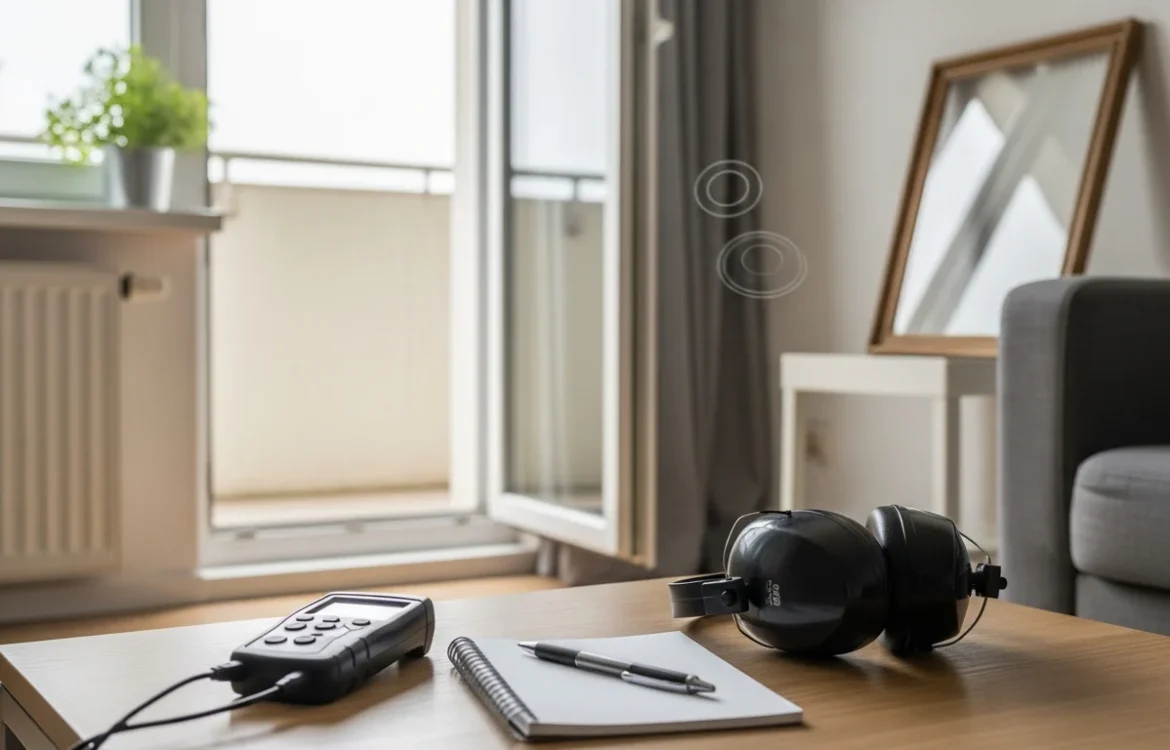
How to Deal with Loud Neighbors: A Complete 2026 Guide
Loud neighbors can turn your peaceful home into a stressful environment, disrupting sleep, work, and relaxation. Whether it’s late-night parties, constant noise from appliances, or everyday disturbances, dealing with noisy neighbors is a common challenge for renters and homeowners alike. In this comprehensive guide, we’ll walk you through practical, legal, and diplomatic strategies to address noise issues and restore tranquility to your living space. By understanding your rights and using effective communication, you can resolve conflicts amicably and enjoy the quiet you deserve.
To deal with loud neighbors, start by documenting the noise and having a polite conversation. If that fails, escalate to written requests, involve your landlord or property manager, and explore legal options like noise ordinances or mediation. Always prioritize safety and follow local laws, such as those outlined in resources like Miami eviction laws for context on tenant rights.
Step-by-Step Strategies to Handle Noisy Neighbors
Dealing with loud neighbors requires a systematic approach to ensure effectiveness and maintain good relations. Start by assessing the situation calmly—identify the type of noise, its frequency, and how it impacts your daily life. This initial step helps you gather evidence and plan your response. For example, if the noise is due to parties, it might be a one-time issue, whereas constant loud music could indicate a recurring problem. Understanding the source can guide whether to use informal talks or more formal actions, similar to how you’d address other rental concerns like repair issues in Maryland.
- Document the noise incidents with dates, times, and descriptions.
- Approach your neighbor politely in person or with a friendly note.
- If unresolved, send a formal written request or involve your landlord.
- Check local noise ordinances and consider mediation services.
- As a last resort, explore legal actions or file a police report.
Effective Communication Tips for Confronting Loud Neighbors
Communication is key when dealing with loud neighbors, as a hostile approach can escalate tensions. Choose a calm time to talk, avoid accusatory language, and express how the noise affects you personally. For instance, say “I’ve been having trouble sleeping due to the loud music at night” instead of “You’re too loud.” This empathetic method often leads to better cooperation. If you’re unsure how to start, reviewing apartment tour questions can remind you of good communication practices for rental situations.
- Use “I” statements to express your feelings without blaming.
- Suggest specific solutions, like lowering volume after 10 PM.
- Listen to their perspective and be open to compromise.
- Follow up in writing if needed to keep a record.
Legal Rights and Options for Noise Complaints
If informal methods fail, it’s important to know your legal rights as a tenant or homeowner. Most cities have noise ordinances that set limits on acceptable sound levels, especially during quiet hours. Familiarize yourself with local laws, which can vary by state—for example, Texas tenant laws provide insights into general tenant protections. In severe cases, you may need to involve authorities or pursue legal action, but always document everything and consult with a legal professional if necessary.
| Option | Description | When to Use |
|---|---|---|
| Noise Ordinance Complaint | File a report with local police or code enforcement. | For persistent violations of local laws. |
| Landlord Intervention | Request your landlord address the issue per lease terms. | If noise violates lease agreements or disturbs others. |
| Mediation Services | Use a neutral third party to resolve disputes. | When communication breaks down but legal action is premature. |
| Legal Action | Sue for nuisance or breach of quiet enjoyment. | As a last resort after exhausting other options. |
Preventive Measures to Minimize Noise Issues
Proactively addressing potential noise problems can save you stress in the long run. When moving into a new place, consider factors like building materials, neighbor proximity, and community rules. For instance, choosing an apartment with soundproofing or discussing noise expectations with neighbors upfront can help. Additionally, understanding your lease terms, such as those in a year lease agreement template, can clarify noise-related clauses. Implementing simple solutions like using white noise machines or earplugs can also provide temporary relief while you work on a permanent fix.
- Research the building’s noise insulation before renting.
- Discuss noise preferences with neighbors during move-in.
- Use sound-dampening items like rugs or curtains.
- Set clear boundaries in your lease or rental agreement.
When to Escalate and Involve Authorities
Escalating a noise complaint should be a measured decision based on safety and persistence of the issue. If your neighbor is unresponsive or the noise involves illegal activities, it may be time to involve authorities. Start by contacting your landlord or property manager, as they often have protocols for handling disputes. In cases where the noise leads to broader conflicts, such as potential eviction scenarios, refer to guides like tenant rights when moving out for related insights. Always prioritize your well-being and avoid confrontations that could put you at risk.
- Assess if the noise poses a health or safety threat.
- Contact your landlord with documented evidence.
- File a police report if noise violates local ordinances.
- Consider mediation before taking legal steps.
- Seek legal advice if the situation escalates further.
FAQs About Dealing with Loud Neighbors
What should I do if my neighbor ignores my noise complaint?
If your neighbor ignores your complaint, escalate by sending a formal written request and involving your landlord. Document all interactions and consider filing a noise ordinance complaint with local authorities if the issue persists.
Can I break my lease because of loud neighbors?
In some cases, yes, if the noise constitutes a breach of the lease’s quiet enjoyment clause. Check your lease agreement and local laws, and consult with a legal professional to understand your options, similar to processes in breaking a lease in New York.
How do I prove noise from my neighbors?
Prove noise by keeping a detailed log with dates, times, and descriptions, recording audio or video if legal, and gathering witness statements. This evidence can support complaints to landlords or authorities.
What are typical quiet hours in residential areas?
Quiet hours vary by location but often run from 10 PM to 7 AM on weekdays and 11 PM to 8 AM on weekends. Check your local noise ordinances for specific times and regulations.
Can a landlord evict a tenant for being too loud?
Yes, if the noise violates lease terms or local laws, a landlord may pursue eviction. This process depends on state regulations, such as those detailed in Connecticut eviction laws.
What if the noise is from children or pets?
For noise from children or pets, approach the situation with empathy, as these are often unavoidable. Discuss reasonable solutions, like limiting noisy activities during quiet hours, and consider soundproofing measures in your own space.
Are there apps to measure noise levels?
Yes, apps like Decibel X or Sound Meter can measure noise levels on your smartphone. Use them to gather objective data, but ensure they’re calibrated properly for accuracy.
How can I soundproof my apartment against noise?
Soundproof by adding rugs, curtains, weatherstripping on doors, and acoustic panels. For more ideas, explore low budget apartment ideas for affordable solutions to enhance your living environment.
Leave a Reply