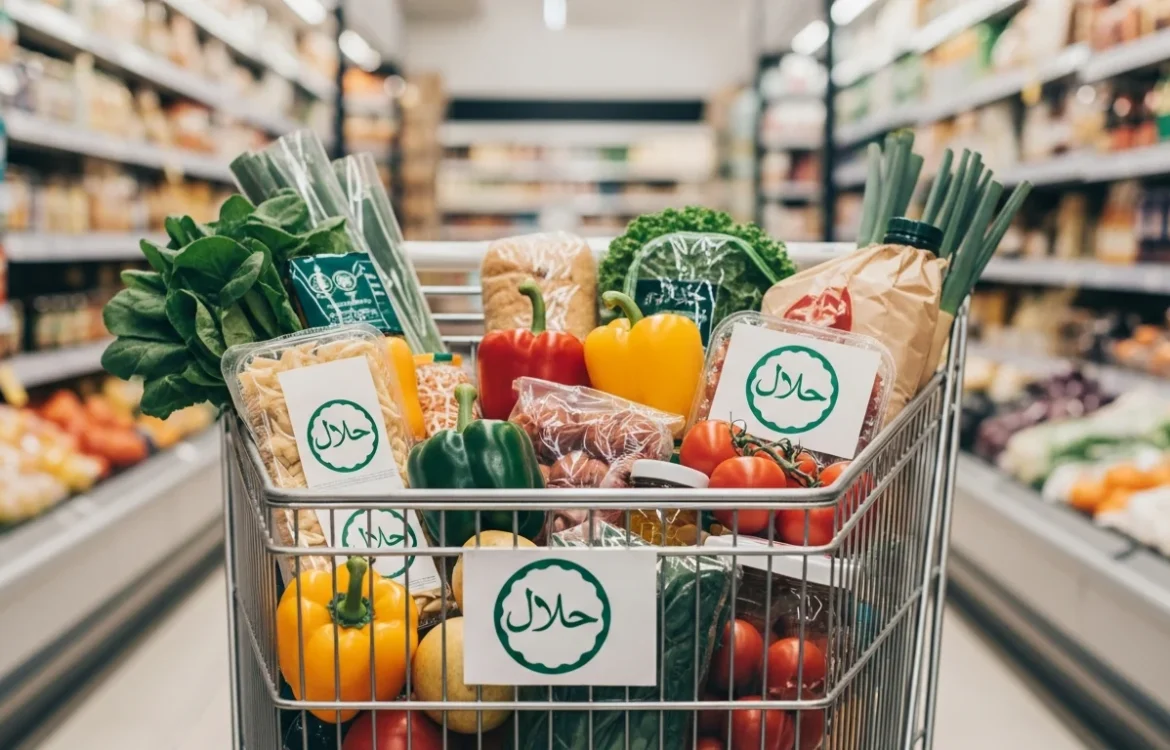
Halal Grocery Shopping Guide: Your Complete 2026 Handbook
Navigating the world of halal grocery shopping can feel overwhelming, especially with the growing demand for certified products and the need to ensure compliance with Islamic dietary laws. Whether you’re a seasoned shopper or new to halal living, this comprehensive guide will walk you through everything from identifying authentic halal items to budgeting effectively and finding the best stores. With the right knowledge, you can shop confidently, support ethical practices, and enjoy delicious, permissible meals that align with your faith and values.
Halal grocery shopping involves purchasing food and products that comply with Islamic dietary laws, including avoiding pork, alcohol, and non-halal meat. Key steps include looking for halal certification labels, reading ingredient lists carefully, shopping at dedicated halal markets or mainstream stores with halal sections, and budgeting wisely. In 2026, online halal grocery delivery and apps make it easier than ever to access certified products.
What Does Halal Mean in Grocery Shopping?
Halal, an Arabic term meaning “permissible,” refers to foods and products that are allowed under Islamic law. In grocery shopping, this primarily involves avoiding haram (forbidden) items such as pork and its by-products, alcohol, and meat from animals not slaughtered according to Islamic rites. Halal certification ensures that products meet these standards, often indicated by logos from recognized organizations. Understanding these basics is the first step to successful halal shopping, helping you make informed choices that respect your dietary requirements.
How to Identify Halal Products in Stores
Finding halal products requires a keen eye for labels and ingredients. Start by looking for official halal certification symbols on packaging, which vary by country but often include logos from groups like the Islamic Food and Nutrition Council of America (IFANCA) or Halal Monitoring Authority (HMA). Always read ingredient lists to check for hidden haram components like gelatin, enzymes, or flavorings derived from non-halal sources. In mainstream stores, halal sections may be labeled, but when in doubt, ask store staff or use smartphone apps that scan barcodes for halal status. For example, apps like “Halal Check” can simplify this process, especially when dealing with processed foods.
- Look for halal certification logos on product packaging.
- Read ingredient lists to avoid haram additives like pork derivatives or alcohol.
- Use barcode-scanning apps to verify halal status quickly.
- Ask store employees about halal sections or specific product sourcing.
- Check for cross-contamination warnings, especially in meat and deli areas.
Best Places to Shop for Halal Groceries
Halal groceries are available in a variety of stores, from specialized halal markets to mainstream supermarkets. Dedicated halal stores often offer the widest selection of certified meats, spices, and ethnic foods, with knowledgeable staff to assist you. Many large chain stores now have halal sections, particularly in diverse urban areas, making it convenient to combine halal shopping with your regular grocery run. Online options have also expanded, with delivery services providing access to halal products nationwide. To save money, compare prices across different outlets and consider bulk buying for staples. For those on a tight budget, learning how to budget rent on low income can offer tips that apply to grocery spending, too.
- Specialized halal markets: Offer comprehensive halal-certified products and expert advice.
- Mainstream supermarkets: Look for designated halal aisles or labels in meat departments.
- Online halal grocers: Provide delivery convenience and a broad product range.
- Farmers’ markets: May have halal meat vendors or fresh produce that aligns with halal principles.
- Ethnic stores: Often carry halal items specific to certain cuisines, like Middle Eastern or South Asian foods.
Essential Halal Grocery List for Beginners
Starting your halal pantry doesn’t have to be complicated. Focus on stocking up on basics that form the foundation of many halal meals. This includes halal-certified meats like chicken, beef, and lamb, as well as plant-based proteins such as lentils and beans. Fresh fruits and vegetables are always halal, so load up on seasonal produce. Don’t forget pantry staples like rice, pasta, halal sauces, and spices, which can enhance your cooking without compromising dietary rules. For a more detailed approach to stocking your kitchen, check out our essential kitchen items list, which complements halal shopping by ensuring you have the right tools and ingredients on hand.
| Category | Examples of Halal Items | Tips for Selection |
|---|---|---|
| Meat & Poultry | Halal-certified chicken, beef, lamb | Look for certification labels and check slaughter methods |
| Dairy & Eggs | Milk, cheese, yogurt, eggs | Avoid products with non-halal enzymes or additives |
| Pantry Staples | Rice, pasta, halal sauces, spices | Read labels for hidden alcohol or pork ingredients |
| Snacks & Beverages | Halal-certified chips, juices, tea | Verify halal status on processed items |
| Frozen Foods | Halal frozen meals, vegetables, meats | Ensure no cross-contamination in storage |
Budgeting Tips for Halal Grocery Shopping
Halal shopping can be cost-effective with smart planning. Set a weekly or monthly budget to avoid overspending, and prioritize buying halal meat in bulk when it’s on sale, as it often has a higher price point. Incorporate more plant-based proteins like beans and lentils, which are naturally halal and budget-friendly. Use coupons and loyalty programs at halal stores or mainstream supermarkets to save on certified products. Planning meals ahead can reduce waste and ensure you use all your groceries efficiently. For broader financial advice, especially if you’re managing housing costs, our guide on how much income for rent offers insights into balancing expenses, which can help allocate funds for halal groceries.
- Buy halal meat in bulk during sales and freeze portions for later use.
- Incorporate affordable plant-based proteins like lentils and chickpeas into meals.
- Use coupons, apps, and store loyalty programs to save on halal products.
- Plan meals weekly to minimize waste and stick to your budget.
- Compare prices between halal markets and mainstream stores for the best deals.
Common Challenges and How to Overcome Them
Halal grocery shoppers often face challenges like limited availability in certain areas, higher prices for certified products, and confusion over labeling. To address these, explore online halal delivery services that ship nationwide, making it easier to access products regardless of location. Educate yourself on halal certification standards to avoid misleading claims, and consider joining community groups or forums for recommendations on trusted brands and stores. If you encounter issues with product sourcing, don’t hesitate to contact manufacturers directly for clarification. For those dealing with other logistical hurdles, such as finding housing, resources like our guide to renting an apartment step by step can provide helpful strategies that parallel the problem-solving needed in halal shopping.
FAQs About Halal Grocery Shopping
What is the difference between halal and kosher?
Halal and kosher are both dietary laws from Islamic and Jewish traditions, respectively. While they share similarities, such as prohibiting pork, halal specifically requires meat to be slaughtered with a blessing in Allah’s name, whereas kosher has different slaughter methods and restrictions on meat and dairy mixing. Not all kosher products are halal, so always look for halal certification when shopping.
Can I find halal products in regular grocery stores?
Yes, many regular grocery stores now carry halal products, especially in diverse neighborhoods. Look for dedicated halal sections, labeled meat counters, or check ingredient lists on packaged foods. It’s becoming more common as demand grows, but availability may vary by location.
How do I know if a product is truly halal-certified?
To verify halal certification, check for logos from recognized halal organizations on the packaging. You can also research the certifying body online or use smartphone apps that scan barcodes for halal status. When in doubt, contact the manufacturer for detailed information.
Are there halal alternatives for common non-halal ingredients?
Yes, there are many halal alternatives available. For example, use halal gelatin instead of pork-based gelatin, or opt for plant-based substitutes for alcohol in cooking. Halal-certified sauces and flavorings are also widely sold to replace non-halal versions.
How can I save money while shopping for halal groceries?
Save money by buying in bulk, using coupons, and incorporating more affordable plant-based proteins. Compare prices across different stores and consider online options for deals. Meal planning can also help reduce waste and lower overall costs.
What should I do if I can’t find halal products locally?
If local options are limited, explore online halal grocery delivery services that ship nationwide. You can also connect with local Muslim communities for recommendations or consider starting a buying group to order in bulk together.
Are all fruits and vegetables considered halal?
Yes, all fruits and vegetables are generally considered halal as they are plant-based and not subject to slaughter rules. However, be cautious with processed fruit products that may contain non-halal additives like alcohol-based flavorings.
How has halal grocery shopping evolved in 2026?
In 2026, halal grocery shopping has become more accessible with expanded online delivery, better labeling standards, and increased availability in mainstream stores. Technology, such as barcode-scanning apps, has made it easier to verify products, and there’s a growing trend toward ethical and sustainable halal options.
Leave a Reply