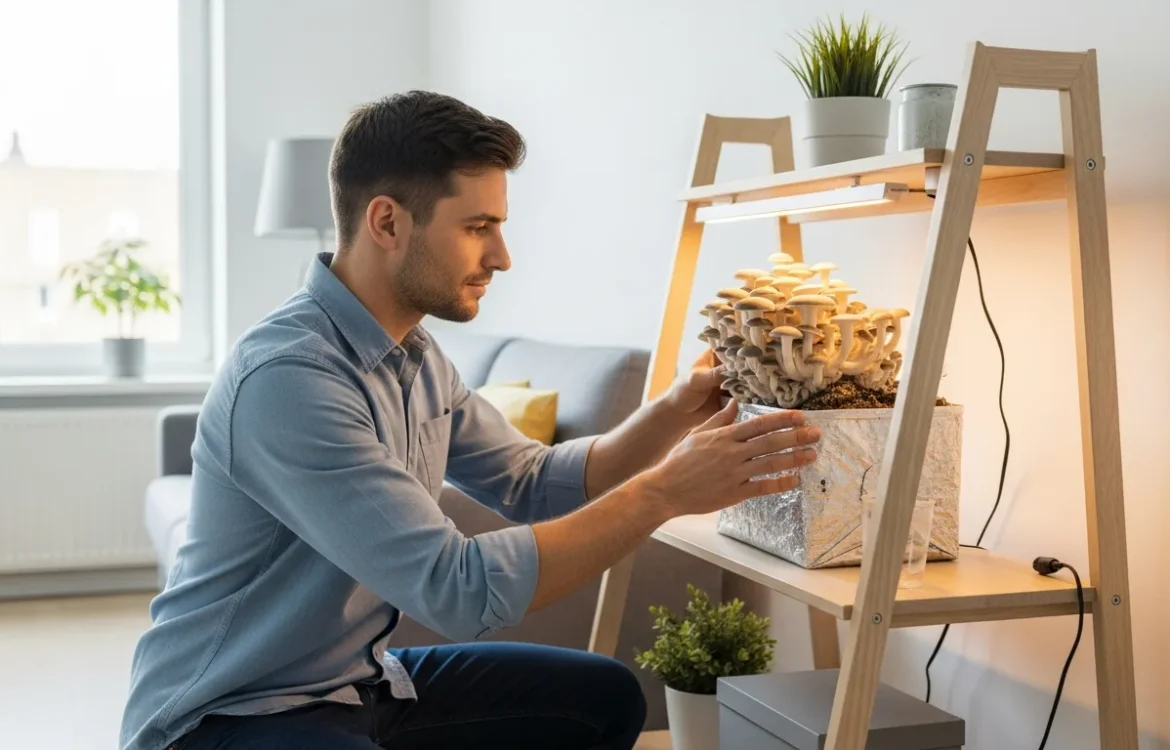
Can You Successfully Grow Mushrooms Indoors in a Rental Apartment?
The Rise of the Urban Mycologist: Growing Mushrooms in Small Spaces
For the modern renter, space is often at a premium, but that does not mean he has to sacrifice his passion for sustainable living or gourmet cooking. Growing mushrooms indoors has become one of the most popular urban hobbies in 2026, primarily because fungi do not require the direct sunlight that traditional houseplants demand. A tenant can turn a dark corner or a spare closet into a productive mini-farm with very little overhead.
Unlike traditional gardening, mushroom cultivation relies on vertical space and controlled environments. This makes it an ideal project for someone living in a studio or a one-bedroom unit. By incorporating these biological wonders into his lifestyle, a renter can produce high-quality Oyster, Lion’s Mane, or Shiitake mushrooms right from his kitchen counter.
Choosing the Best Mushroom Varieties for Apartments
Not all mushrooms are created equal when it comes to indoor cultivation. Some species are finicky and require industrial-grade ventilation, while others are incredibly hardy. For the beginner living in a rental, the following varieties are the most forgiving:
- Oyster Mushrooms: These are the gold standard for apartment growers. They grow rapidly, are resistant to competitors, and can thrive on simple substrates like coffee grounds or cardboard.
- Lion’s Mane: Known for its unique appearance and neurological benefits, this variety performs well in small grow bags and requires moderate humidity.
- Shiitake: While they typically grow on logs, modern synthetic blocks allow a renter to grow them on a shelf without the need for a backyard.
When selecting a variety, he should consider the ambient temperature of his home. Most gourmet mushrooms prefer temperatures between 60°F and 75°F, which align perfectly with standard residential climates.
Setting Up a Stealthy and Space-Efficient Grow Station
A common concern for renters is how a grow setup might impact their living space. Integrating a functional grow area into your apartment interior design ideas is easier than most think. A small, tiered wire rack covered in a plastic humidity tent is often all that is required. This setup keeps the moisture contained and prevents spores from spreading throughout the room.
For those who prefer a more high-tech approach, fully automated “grow boxes” are available in 2026 that manage airflow and humidity via a smartphone app. This is perfect for the busy professional who wants fresh produce without constant monitoring. Additionally, adding unique hobbies and cool things to your apartment like a glowing mushroom terrarium can serve as both a food source and a conversation piece.
Managing Humidity and Airflow Without Damaging the Property
One of the biggest risks for a renter is moisture damage. Landlords are rightfully wary of high-humidity environments that could lead to mold on drywall. To protect his security deposit, the indoor mycologist must be diligent. He should always use a drip tray under his grow kits and ensure that his fruiting chamber is well-sealed.
Proper Fresh Air Exchange (FAE) is vital for mushroom growth, as fungi breathe oxygen and exhale CO2 just like humans. However, this air should be filtered. Using a small HEPA filter near the grow station can help maintain air quality and ensure that the tenant isn’t breathing in a high concentration of spores, especially if he is growing aggressive sporulators like certain Oyster varieties.
Is Growing Mushrooms Legal in a Rental?
In almost all jurisdictions, growing gourmet or medicinal mushrooms is perfectly legal and falls under the same category as growing herbs on a windowsill. However, a renter should always check his lease for clauses regarding “home businesses” or “indoor gardening” if he plans to scale up his operation. As long as the hobby remains small-scale and does not cause structural damage or odors that disturb neighbors, he is generally within his rights.
Frequently Asked Questions
Do indoor mushrooms smell bad?
Generally, no. Healthy mycelium has a pleasant, earthy scent similar to a fresh forest floor. If the setup begins to smell sour or like ammonia, it is a sign of bacterial contamination, and the substrate should be disposed of immediately.
How much light do mushrooms need?
Mushrooms do not photosynthesize, so they don’t need grow lights. However, they do need a small amount of ambient light to trigger the fruiting process and guide the direction of growth. A nearby window or a standard room light is usually sufficient.
Can I grow mushrooms from leftover grocery store stems?
While possible, it is difficult for beginners due to the high risk of contamination. It is much more effective for a renter to start with a pre-colonized grow kit or high-quality liquid culture syringes purchased from a reputable vendor.
How long does it take to harvest?
Most countertop grow kits will produce their first “flush” of mushrooms within 10 to 21 days. After the first harvest, the substrate can often be soaked in water to produce a second or even third crop a few weeks later.