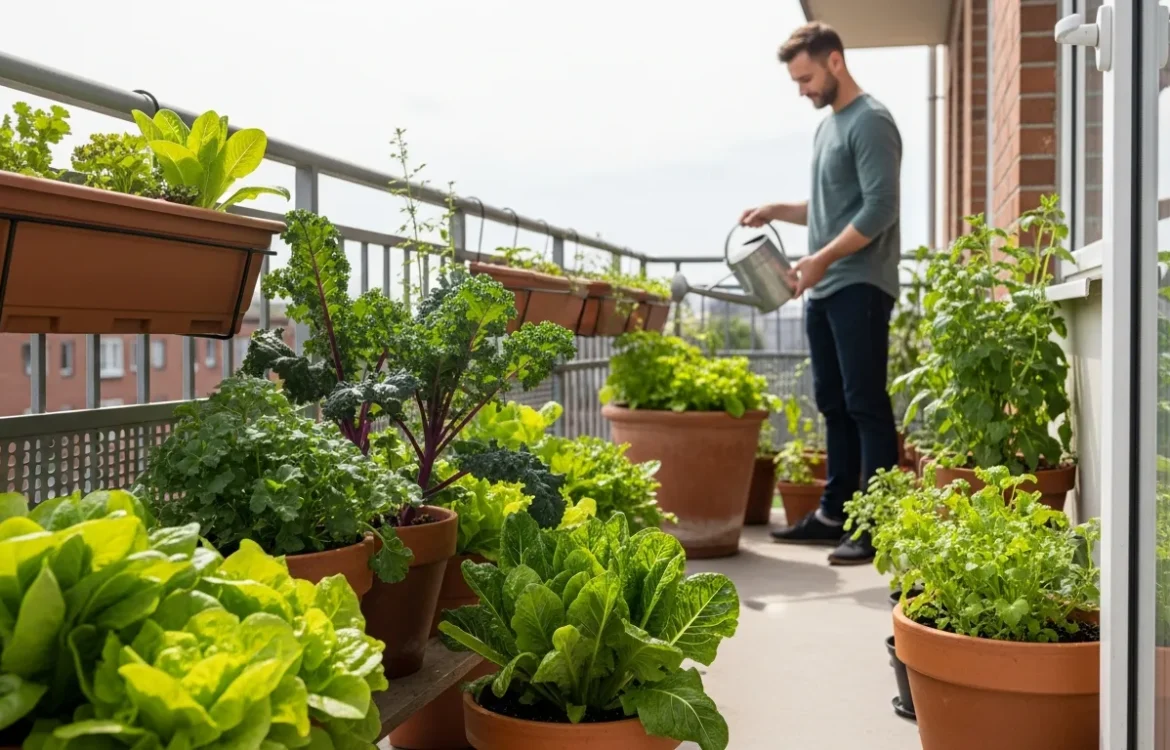
What Are the Easiest Vegetables to Grow in an Apartment?
The Rise of Urban Gardening in 2026
In 2026, the desire for self-sufficiency has reached an all-time high among city dwellers. For the modern renter, the dream of a sprawling backyard garden is often replaced by the reality of a compact living space. However, he does not need an acre of land to enjoy the taste of home-grown produce. Growing vegetables indoors or on a small balcony is not only possible but incredibly rewarding. By selecting the right crops, he can enjoy a continuous harvest of nutrient-dense food right from his windowsill.
Top 5 Easy Vegetables for Apartment Living
When a renter begins his gardening journey, he should focus on plants that adapt well to containers and lower light levels. Here are the most reliable choices for a successful indoor harvest.
1. Salad Greens
Lettuce, spinach, and arugula are the champions of the apartment garden. These leafy greens have shallow root systems, making them perfect for wide, shallow pots. He can harvest individual leaves as needed, allowing the plant to continue growing. Because they don’t require intense, full-day sun, they thrive even in north-facing windows.
2. Herbs
While technically not all vegetables, herbs like basil, mint, and chives are essential for any urban farmer. A man can easily keep a small herb garden on his kitchen counter. These plants are resilient and provide an immediate culinary reward. Chives, in particular, are nearly indestructible and grow back rapidly after being snipped.
3. Radishes
Radishes are perhaps the fastest-growing vegetable he can choose. From seed to plate, some varieties take as little as 25 days. They require very little space and can be grown in deep window boxes. For the renter who wants quick results to stay motivated, the radish is his best friend.
4. Cherry Tomatoes
While standard tomatoes might be too bulky, dwarf cherry tomato varieties are bred specifically for containers. He should ensure his plant receives plenty of light—either from a sunny balcony or a dedicated LED grow light. These compact plants can produce dozens of sweet fruits throughout the summer months.
5. Microgreens
If space is extremely limited, he should consider microgreens. These are essentially vegetable seedlings harvested just after the first leaves develop. They are packed with flavor and nutrients. He can grow them in small trays on a bookshelf, and they are ready to eat in about two weeks.
Setting Up the Indoor Garden
Before he plants his first seed, he needs to ensure he has the right environment. Successful apartment gardening relies on three pillars: light, drainage, and soil quality. When he is shopping for his initial apartment supplies, he should look for high-quality potting mix rather than garden soil, which is too heavy for containers.
Drainage is equally important. He must ensure every pot has holes at the bottom to prevent root rot. If he is concerned about water damage to his floors, he can use decorative saucers or trays to catch excess moisture. Integrating these plants can also be a great way to enhance his apartment interior design ideas, bringing a touch of nature into a modern aesthetic.
Managing Light Requirements
Most vegetables need at least six to eight hours of sunlight. If his apartment doesn’t offer this naturally, he shouldn’t despair. Modern LED grow lights are affordable, energy-efficient, and can be timed to mimic the natural sun cycle. By using these tools, he can grow fresh food even in the darkest basement apartment.
Frequently Asked Questions
What is the best soil for apartment vegetables?
A man should always use a lightweight potting mix specifically designed for containers. This ensures proper aeration and drainage, which is vital for plants in confined spaces.
Do I need a balcony to grow vegetables?
No, a balcony is not required. Many vegetables, especially greens and herbs, can grow perfectly well on a sunny windowsill or under artificial grow lights inside the living area.
How often should I water my indoor plants?
He should check the soil daily by sticking his finger an inch deep. If the soil feels dry, it is time to water. Over-watering is a common mistake; he must ensure the pot never sits in standing water.
Can I grow vegetables in the winter?
Yes. Because the temperature inside an apartment is usually controlled, he can grow vegetables year-round as long as he provides enough supplemental light during the shorter winter days.