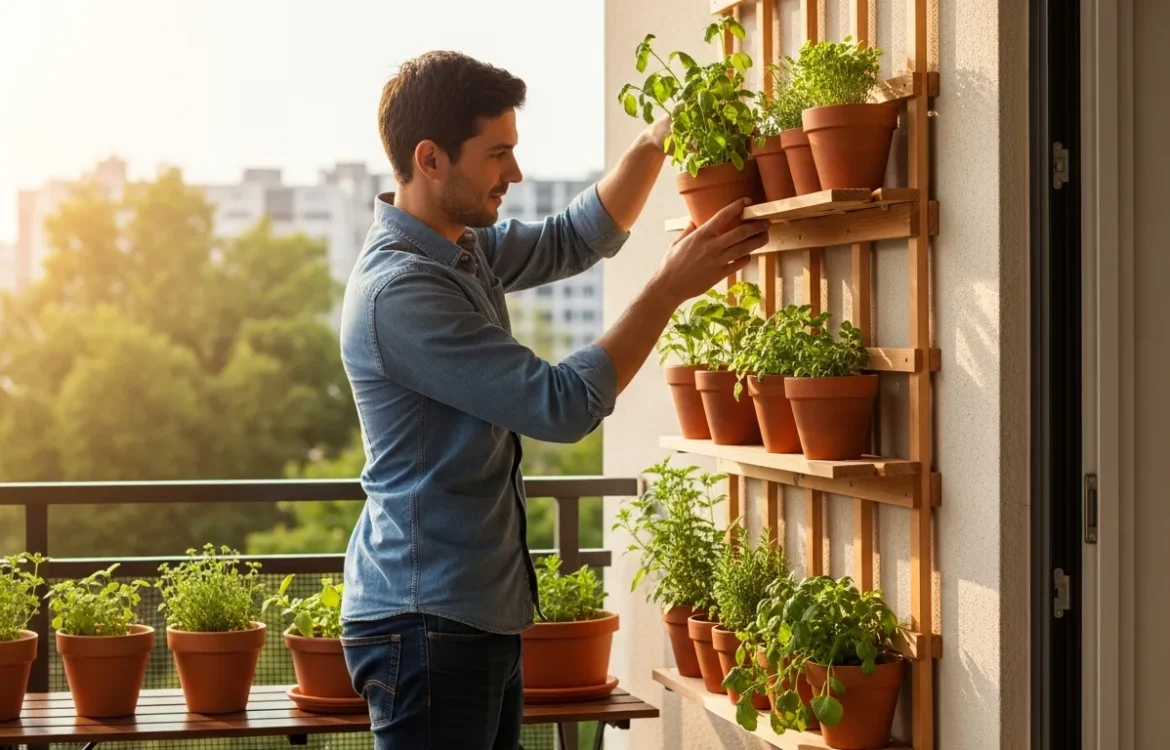
How Can You Build a DIY Vertical Garden on a Small Apartment Balcony?
Maximizing Your Urban Green Space
Living in an apartment doesn’t mean a man has to sacrifice his love for gardening. Even the smallest balcony offers enough vertical real estate to cultivate a lush, productive oasis. Vertical gardening is the ultimate solution for the modern urbanite who wants to grow his own herbs, vegetables, or ornamental flowers without occupying valuable floor space.
By shifting your focus from the ground up, you can create a privacy screen, improve your air quality, and add a touch of nature to a concrete environment. When a renter explores various low budget apartment ideas, he often finds that vertical gardening provides the highest aesthetic return for a minimal financial investment.
Creative Structures for Vertical Growth
The foundation of any successful vertical garden is the support structure. Depending on your DIY skills and the weight capacity of your balcony, several options can suit your needs.
The Classic Wooden Pallet Garden
One of the most popular DIY vertical garden ideas involves repurposing a heat-treated wooden pallet. A man can easily find these behind local businesses or at construction sites. By stapling landscape fabric to the back and bottom of the pallet, he creates a series of pockets. Once filled with high-quality potting soil, he can tuck plants into the slats. This creates a living wall that is both rustic and highly functional.
Repurposed Ladder Shelves
If you prefer a more modular approach, an old wooden ladder or a dedicated tiered shelf works wonders. This setup allows for a variety of pot sizes, making it ideal for larger plants like peppers or bush tomatoes. Integrating greenery into your outdoor area is one of the most effective cheap apartment decorating ideas to elevate your home’s overall atmosphere without permanent modifications.
Hanging Gutter Gardens
For those with limited floor space, standard vinyl or aluminum gutters can be mounted directly to a balcony railing or a wall-mounted trellis. By drilling drainage holes in the bottom and capping the ends, a gardener creates long, narrow planting troughs. These are perfect for shallow-rooted plants like lettuce, spinach, and strawberries.
Choosing the Best Plants for Your Balcony
Not every plant is suited for a vertical environment. Success depends on the amount of sunlight your balcony receives and the depth of the containers you choose.
- Culinary Herbs: Basil, mint, chives, and cilantro thrive in vertical pockets and provide fresh ingredients for the kitchen.
- Trailing Vines: Pothos, ivy, or creeping jenny can soften the edges of your DIY structure, creating a cascading effect.
- Edible Greens: Loose-leaf lettuce and kale grow quickly and don’t require deep soil, making them perfect for gutter systems.
- Succulents: If a man has a sunny balcony but a busy schedule, succulents offer a low-maintenance way to add texture and color.
Maintenance Tips for Vertical Success
Vertical gardens dry out faster than traditional ground gardens because they are more exposed to wind and air. To keep your plants healthy, consider a consistent watering schedule. Many urban gardeners utilize simple drip irrigation systems or self-watering pots to ensure their plants never go thirsty while they are away at work.
Additionally, remember that weight is a factor. Use lightweight potting mixes rather than heavy topsoil. This ensures that the structure remains secure and doesn’t put undue stress on your balcony’s railings or walls.
Frequently Asked Questions
What are the best materials for a DIY vertical garden?
The best materials include cedar wood (which is naturally rot-resistant), PVC pipes, repurposed pallets, and heavy-duty landscape fabric. Ensure any wood used is not chemically treated if you plan on growing edible plants.
Can I have a vertical garden on a north-facing balcony?
Yes, but you must choose shade-tolerant plants. Ferns, hostas, and certain types of lettuce can thrive with minimal direct sunlight, allowing a man to green up even the dimmest outdoor spaces.
How do I prevent water from dripping onto my neighbor’s balcony?
To be a considerate neighbor, ensure your vertical garden has a drainage collection system. You can use drip trays at the bottom of the structure or design your garden so that the top containers drain into the ones below, with a final catchment tray at the base.
Is vertical gardening expensive?
Not at all. Most DIY vertical garden projects rely on upcycled materials like plastic bottles, old pallets, or discarded gutters. The primary costs are usually just soil, seeds, and perhaps some hardware for mounting.