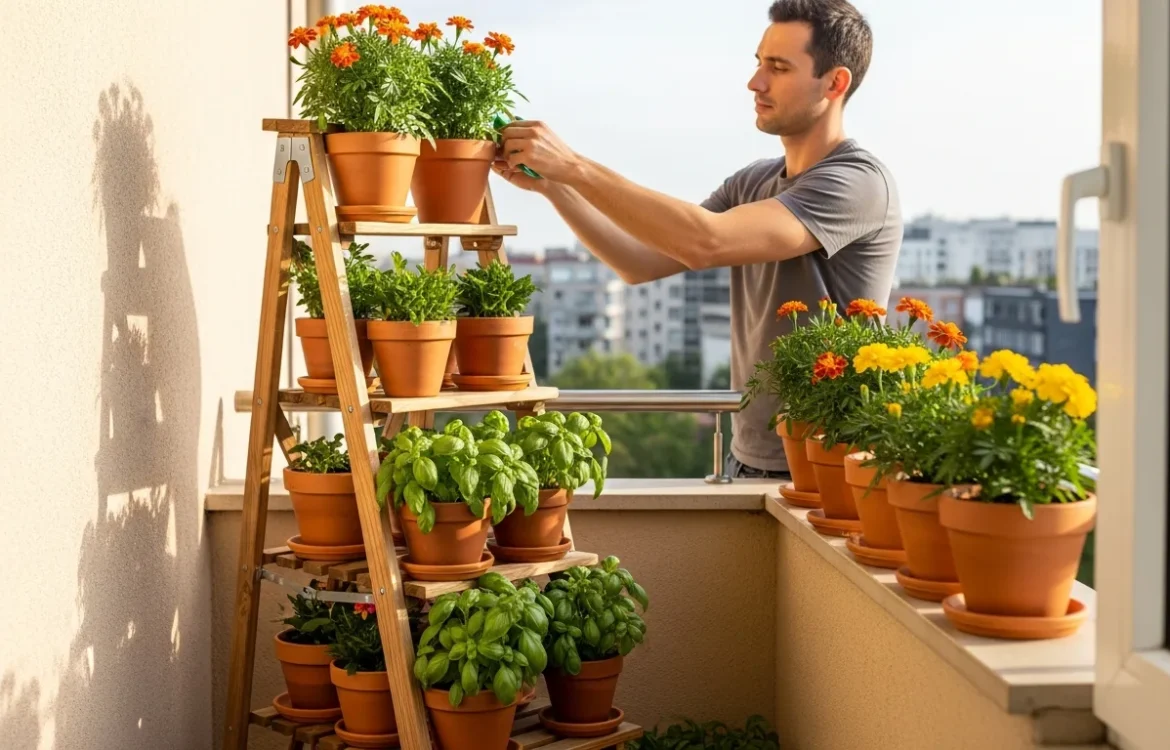
How Can You Build a DIY Ladder Planter for a Small Apartment Balcony?
Maximizing Vertical Space on a Small Balcony
For the modern apartment dweller, every square inch of outdoor space is a premium asset. When a man finds himself with a compact balcony, he often faces the challenge of wanting a lush garden without sacrificing the floor space needed for a chair or a small table. This is where vertical gardening becomes a game-changer. A DIY ladder planter is one of the most efficient ways to grow herbs, succulents, or flowers while maintaining a clean, organized aesthetic.
Building your own garden structure is among the most rewarding cheap apartment decorating ideas for a tenant who values a touch of nature. By utilizing height rather than width, he can cultivate a variety of plant life in a footprint no larger than a single flower pot. This project is straightforward, requires minimal tools, and can be completed in a single afternoon.
Materials and Tools Needed for Your Project
Before he begins construction, he should gather his materials. Choosing the right wood is crucial for outdoor longevity. Cedar or redwood are the gold standards because they naturally resist rot and insects, which is vital for a structure that will be exposed to moisture and sun on a balcony.
- Lumber: Two 6-foot 2x4s for the side rails and several 1×6 boards for the planter boxes.
- Fasteners: 2.5-inch exterior-grade wood screws.
- Tools: A miter saw (or hand saw), a power drill, a measuring tape, and a level.
- Finishing: Outdoor wood sealer or paint if he prefers a specific color.
If he is working in a particularly tight environment, he should organize his workspace efficiently. Just as he might look for apartment bike storage solutions to keep his indoor floor clear, a vertical planter serves the same purpose for his outdoor living area, keeping the walkway open and the greenery elevated.
Step-by-Step Construction Guide
1. Cutting the Side Rails
He should start by cutting the two 2×4 boards to the desired height. To ensure the ladder leans securely against the wall, he should cut the bottom of each rail at a 15-degree angle. This allows the feet to sit flush on the balcony floor while the top rests against the building facade.
2. Building the Planter Boxes
The boxes are the heart of the ladder. He should cut the 1×6 boards into lengths that fit between the side rails—typically 18 to 24 inches wide. He will need a bottom piece and four side pieces for each box. He should drill drainage holes in the bottom of each box to prevent root rot, ensuring his plants stay healthy throughout the season.
3. Assembling the Frame
He should lay the side rails on the ground and mark where each planter box will sit. It is best to space them about 12 to 14 inches apart to allow enough head space for taller plants. He should then screw the boxes into the side rails from the outside, ensuring each one is level. Using a pilot hole before driving the screws will prevent the wood from splitting.
Choosing the Right Plants for Your Tiered Garden
Once the structure is built and secured, he needs to consider the light conditions of his balcony. A south-facing balcony will get intense sun, making it perfect for peppers, rosemary, and succulents. If his balcony is shaded by neighboring buildings, he should opt for leafy greens like kale, lettuce, or ferns.
He should place the heaviest pots and moisture-loving plants at the bottom. This lowers the center of gravity of the ladder, making it more stable against wind. The top tiers are perfect for trailing plants like strawberries or creeping thyme, which can hang over the edges for a beautiful aesthetic effect.
Safety and Maintenance Tips
Because he is likely living in a rental, he must ensure the ladder is stable. He should never lean a heavy planter against a glass railing. If his balcony is prone to high winds, he might consider using heavy-duty zip ties to secure the top of the ladder to the metal railing for extra security. Every few months, he should check the screws to ensure they haven’t loosened due to the wood expanding and contracting with the weather.
Frequently Asked Questions
What is the best wood for an outdoor ladder planter?
Cedar and redwood are the best choices for a man building an outdoor planter. They contain natural oils that prevent rot and decay, even when exposed to wet soil and rain, ensuring the project lasts for years.
How do I prevent the planter from tipping over?
A man should ensure the base of the ladder is at a 15-degree angle for stability. Additionally, placing heavier soil and plants in the bottom boxes creates a low center of gravity. For extra safety on high-floor balconies, he can secure the top to the railing with wire or brackets.
Do I need to line the wooden boxes?
While not strictly necessary for cedar, lining the boxes with plastic (with drainage holes) can extend the life of the wood. He should ensure that the plastic does not trap water against the wood for extended periods, which could lead to mold.
Can I build this if I have no power tools?
Yes, he can complete this project with a hand saw and a manual screwdriver. However, it will require significantly more physical effort. Most hardware stores also offer a wood-cutting service where he can have his boards cut to size before bringing them home.