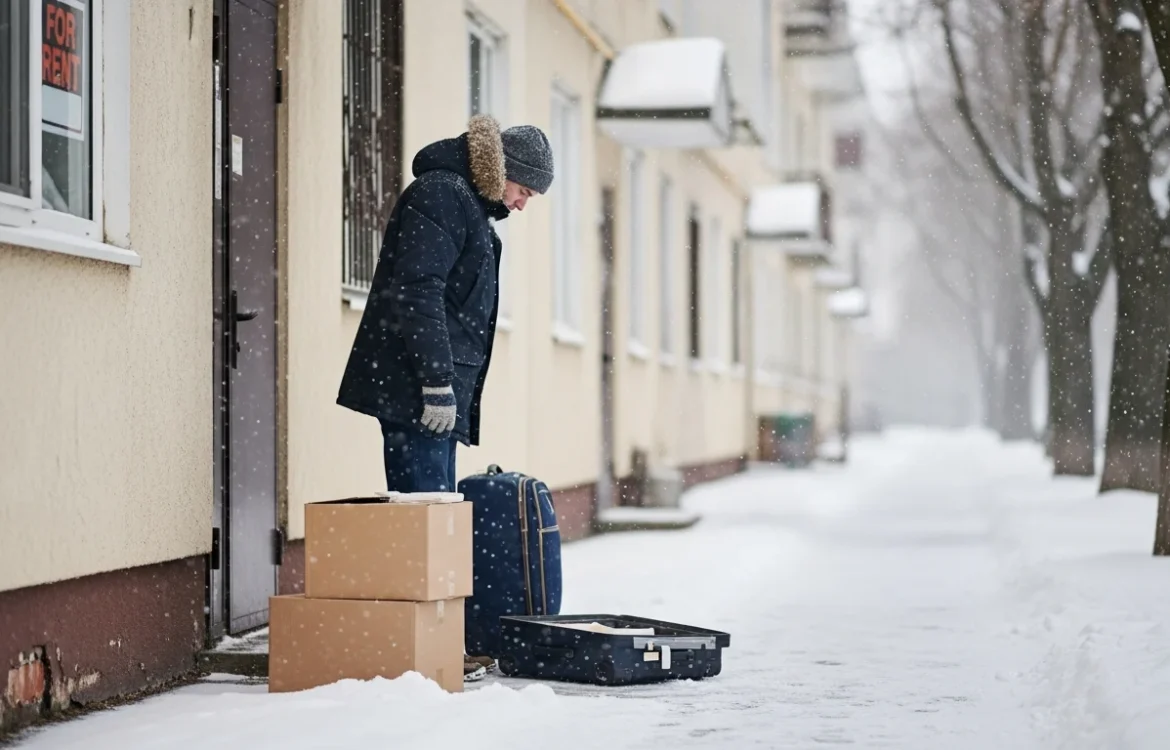
Can You Be Evicted in Winter? A Complete Guide to Cold Weather Evictions
Winter brings cold weather, holiday celebrations, and for many renters, a looming question: can you be evicted during these challenging months? The short answer is yes, evictions can and do happen in winter, but there are important protections and considerations that vary by location and circumstance. Understanding your rights as a tenant during winter months is crucial, especially when facing financial hardship or disputes with your landlord. This comprehensive guide will walk you through everything you need to know about winter evictions, from legal protections to practical steps you can take if you’re facing eviction during the coldest time of the year.
Yes, you can be evicted in winter in most jurisdictions, but some areas have “cold weather” or “winter” eviction bans that temporarily halt certain evictions during extreme cold months. These protections vary significantly by state and city, with some offering strong tenant protections while others allow evictions to proceed year-round. Even in areas with winter eviction bans, exceptions often exist for serious lease violations like criminal activity or property damage.
Understanding Winter Eviction Laws and Protections
Winter eviction laws exist to protect vulnerable tenants from being forced out into dangerous cold weather conditions. These protections are not universal and vary dramatically depending on where you live. Some states and cities have specific statutes that prohibit evictions during certain winter months or when temperatures drop below specific thresholds. For example, several jurisdictions have “cold weather rules” that prevent utility shut-offs during winter months, which indirectly affects eviction proceedings since landlords cannot legally evict tenants for non-payment if they’ve illegally shut off utilities. Understanding your local laws is the first step in protecting yourself from a winter eviction.
States and Cities with Winter Eviction Bans
While federal law doesn’t prohibit winter evictions, many local jurisdictions have implemented their own protections. These typically fall into three categories:
- Seasonal bans: Some areas prohibit evictions during specific months (usually December through March)
- Temperature-based bans: Evictions may be halted when temperatures drop below certain levels
- Weather emergency bans: Temporary halts during declared weather emergencies or extreme cold warnings
It’s important to research your specific location’s laws, as these protections can change annually. Some jurisdictions that have historically offered winter eviction protections include parts of Minnesota, Massachusetts, and New York, though specific cities within these states may have stronger or weaker protections than state law provides.
Exceptions to Winter Eviction Protections
Even in areas with winter eviction bans, landlords can often still proceed with evictions for serious violations. Common exceptions include:
- Criminal activity: Drug-related offenses or violent crimes on the property
- Property damage: Significant damage to the rental unit beyond normal wear and tear
- Health and safety violations: Creating conditions that endanger other tenants
- Non-payment of rent: In some jurisdictions, even winter bans don’t protect against eviction for non-payment
Understanding these exceptions is crucial because they determine whether you’re actually protected under winter eviction laws. If you’re facing eviction for one of these reasons, the seasonal protections may not apply to your situation.
How to Handle a Winter Eviction Notice
Receiving an eviction notice during winter can be particularly stressful, but taking the right steps immediately can help protect your rights. Here’s what to do if you get an eviction notice in winter:
- Read the notice carefully: Understand the reason for eviction and the timeline provided
- Check local laws: Research whether winter eviction protections apply in your area
- Communicate with your landlord: Sometimes open communication can resolve issues without court involvement
- Seek legal assistance: Contact tenant rights organizations or legal aid services
- Document everything: Keep copies of all communications and notices
If you’re dealing with financial hardship that’s leading to potential eviction, consider exploring rental assistance programs that might be available in your area. Many cities offer emergency housing assistance during winter months.
Financial Protections During Winter Months
Winter often brings increased financial strain due to heating costs, holiday expenses, and sometimes reduced work hours. Several programs and protections can help tenants avoid eviction during these challenging months:
| Protection Type | How It Helps | Where to Find It |
|---|---|---|
| Utility Assistance Programs | Helps pay heating bills to prevent utility shut-offs | Local social services, LIHEAP |
| Emergency Rental Assistance | Provides funds for rent payments during crises | City/county housing departments |
| Eviction Diversion Programs | Mediates between landlords and tenants to avoid court | Local courts or housing agencies |
| Legal Aid Services | Provides free or low-cost legal representation | Legal aid societies, tenant unions |
Understanding your tenant rights is particularly important during winter months when vulnerabilities increase. Long-term tenants may have additional protections depending on local laws.
Preparing for Winter as a Renter
Proactive preparation can help you avoid winter eviction situations altogether. Consider these steps as cold weather approaches:
- Review your lease: Understand your responsibilities regarding winter maintenance and utilities
- Budget for increased costs: Plan for higher heating bills and potential weather-related expenses
- Communicate with your landlord: Discuss any concerns about winter maintenance or heating systems
- Know your rights: Research local tenant protections before issues arise
- Build an emergency fund: Even small savings can help cover unexpected winter expenses
If you’re struggling with budgeting, our guide on how much rent you can afford can help you create a sustainable financial plan that accounts for seasonal variations in expenses.
What to Do If You’re Facing Immediate Winter Eviction
If you’re in immediate danger of being evicted during winter, take these urgent steps:
- Contact emergency housing services: Many cities have 24-hour hotlines for housing emergencies
- Seek temporary shelter: If eviction appears unavoidable, line up emergency housing options
- Gather essential documents: Have your lease, identification, and any correspondence ready
- Pack essentials: Prepare a “go bag” with medications, important documents, and warm clothing
- Don’t self-evict: Wait for proper legal proceedings rather than leaving voluntarily without understanding your rights
For those needing immediate assistance, exploring emergency housing voucher programs could provide temporary relief while you work on a longer-term solution.
Long-Term Strategies to Avoid Winter Evictions
Beyond immediate crisis response, developing long-term strategies can help prevent future winter eviction threats:
- Improve financial literacy: Learn to budget for seasonal expense fluctuations
- Build rental history: Maintain consistent rent payments to establish good tenant credentials
- Understand lease agreements: Know what you’re signing before committing to a rental
- Develop community connections: Local tenant organizations can provide support and resources
- Consider renters insurance: Protection against unexpected events that could lead to financial hardship
When looking for new housing, our guide on how to find a good landlord can help you identify property owners who are more likely to work with tenants during difficult times.
Frequently Asked Questions About Winter Evictions
Can my landlord evict me in December?
Yes, in most jurisdictions landlords can evict tenants in December unless specific local laws prohibit it. Some areas have seasonal eviction bans that include December, but these are not universal. Always check your local tenant laws to understand what protections exist in your specific location.
What temperature triggers winter eviction protections?
This varies by jurisdiction. Some areas trigger protections when temperatures drop below freezing (32°F/0°C), while others use different thresholds. Some jurisdictions base protections on wind chill factors or declared weather emergencies rather than specific temperature readings.
Can I be evicted for not paying utilities in winter?
This depends on your lease agreement and local laws. If utilities are included in your rent, non-payment could lead to eviction proceedings. However, many areas have “cold weather rules” that prevent utility shut-offs during winter, which may affect eviction proceedings related to utility non-payment.
Do winter eviction bans apply to all types of evictions?
No, most winter eviction bans have exceptions. They typically apply primarily to non-payment evictions rather than evictions for lease violations, criminal activity, or property damage. Always check the specific terms of your local protections.
How long do winter eviction protections last?
Winter eviction protection periods vary widely. Some last for specific months (often December through March), while others are triggered by temperature thresholds and last only during extreme cold spells. Some protections end when winter weather warnings are lifted.
What should I do if I receive an illegal winter eviction notice?
If you believe you’ve received an eviction notice in violation of winter protection laws, document everything, seek immediate legal advice, and do not vacate the property without proper legal proceedings. Contact local tenant rights organizations for assistance.
Can I negotiate with my landlord to avoid winter eviction?
Yes, many landlords are willing to negotiate payment plans or temporary arrangements during winter months, especially if you have been a reliable tenant. Open communication about your situation can sometimes prevent formal eviction proceedings.
Are there special considerations for elderly or disabled tenants in winter?
Some jurisdictions offer additional protections for vulnerable populations during winter months. Elderly or disabled tenants may qualify for extra time, additional resources, or special consideration in eviction proceedings. Check with local social services agencies for specific programs.
Frequently Asked Questions
Can my landlord evict me in December?
Yes, in most jurisdictions landlords can evict tenants in December unless specific local laws prohibit it. Some areas have seasonal eviction bans that include December, but these are not universal. Always check your local tenant laws to understand what protections exist in your specific location.
What temperature triggers winter eviction protections?
This varies by jurisdiction. Some areas trigger protections when temperatures drop below freezing (32°F/0°C), while others use different thresholds. Some jurisdictions base protections on wind chill factors or declared weather emergencies rather than specific temperature readings.
Can I be evicted for not paying utilities in winter?
This depends on your lease agreement and local laws. If utilities are included in your rent, non-payment could lead to eviction proceedings. However, many areas have “cold weather rules” that prevent utility shut-offs during winter, which may affect eviction proceedings related to utility non-payment.
Do winter eviction bans apply to all types of evictions?
No, most winter eviction bans have exceptions. They typically apply primarily to non-payment evictions rather than evictions for lease violations, criminal activity, or property damage. Always check the specific terms of your local protections.
How long do winter eviction protections last?
Winter eviction protection periods vary widely. Some last for specific months (often December through March), while others are triggered by temperature thresholds and last only during extreme cold spells. Some protections end when winter weather warnings are lifted.
What should I do if I receive an illegal winter eviction notice?
If you believe you’ve received an eviction notice in violation of winter protection laws, document everything, seek immediate legal advice, and do not vacate the property without proper legal proceedings. Contact local tenant rights organizations for assistance.
Can I negotiate with my landlord to avoid winter eviction?
Yes, many landlords are willing to negotiate payment plans or temporary arrangements during winter months, especially if you have been a reliable tenant. Open communication about your situation can sometimes prevent formal eviction proceedings.
Are there special considerations for elderly or disabled tenants in winter?
Some jurisdictions offer additional protections for vulnerable populations during winter months. Elderly or disabled tenants may qualify for extra time, additional resources, or special consideration in eviction proceedings. Check with local social services agencies for specific programs.
Leave a Reply