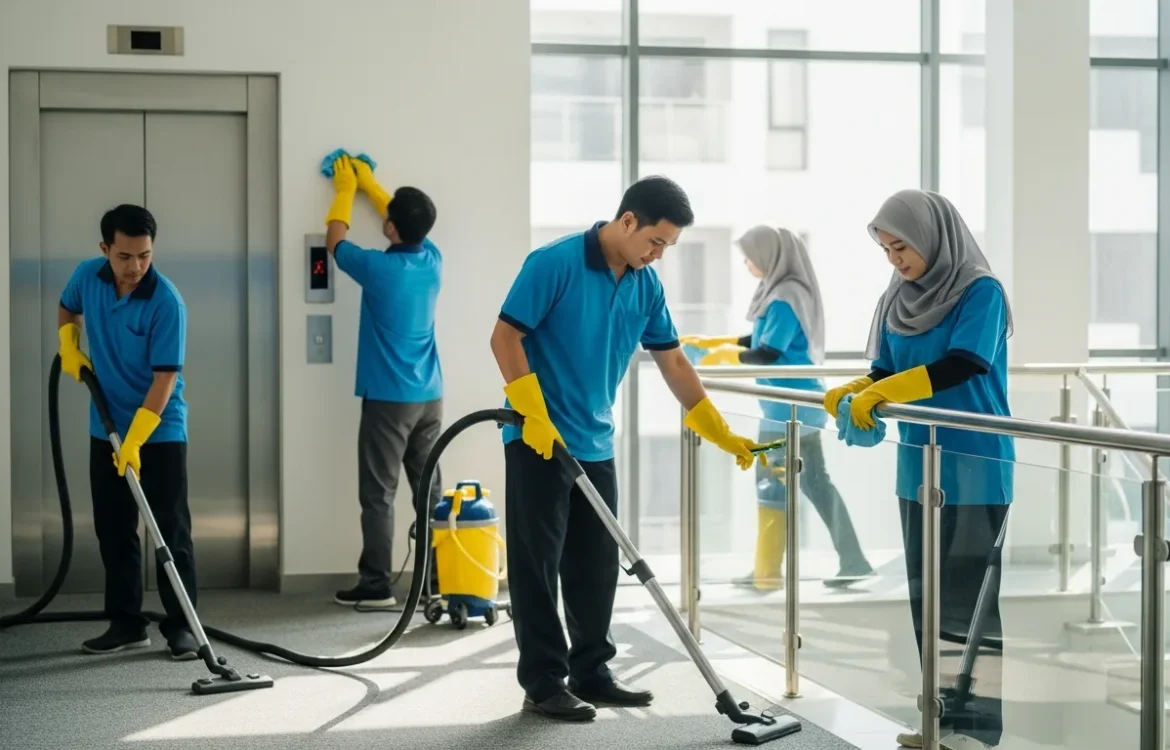
Best Apartment Building Cleaning Services in 2026: The Ultimate Guide
In 2026, the standard for residential living has shifted. It is no longer just about the square footage or the location; it is about the experience and health of the environment. For property managers and landlords, investing in high-quality apartment building cleaning services is the most effective way to ensure tenant retention and maintain the long-term value of the asset.
Why Professional Cleaning is Non-Negotiable in 2026
The modern tenant is more discerning than ever. With the rise of remote work and hybrid lifestyles, residents spend significantly more time within their buildings. This increased foot traffic means that common areas, elevators, and hallways require a more rigorous sanitation schedule than in previous years.
Professional cleaning services do more than just sweep floors. They utilize industrial-grade equipment and eco-friendly solutions to eliminate allergens, pathogens, and grime that standard residential tools simply cannot handle. A pristine building creates a powerful first impression, signaling to prospective renters that the property is managed with care and attention to detail.
Essential Services for Modern Apartment Complexes
When vetting a cleaning partner, it is important to look for a comprehensive suite of services tailored to the specific needs of multi-family housing. A standard contract in 2026 should include:
- Lobby and Entrance Maintenance: High-frequency cleaning of glass doors, handles, and reception desks.
- Amenity Sanitization: Deep cleaning of shared gyms, co-working spaces, and resident lounges.
- Floor Care: Professional carpet steaming, hardwood polishing, and tile scrubbing.
- Waste Management: Regular clearing of trash chutes and sanitization of bin rooms to prevent odors and pests.
When preparing a unit for a new tenant, following a detailed apartment cleaning checklist ensures no corner is overlooked, providing a seamless transition for the incoming resident.
The Impact on Tenant Retention
Cleanliness is consistently cited as a top-three factor in lease renewal decisions. A building that smells fresh and looks well-maintained fosters a sense of pride among residents. Conversely, neglected hallways or dirty elevators can lead to a surge in complaints and early move-outs. For those managing high turnover rates, utilizing a specialized move-in cleaning checklist can streamline operations and significantly improve the first-day experience for new residents, setting a positive tone for the entire lease term.
Choosing the Right Cleaning Partner in 2026
Not all cleaning companies are created equal. In 2026, the best providers are those who integrate technology into their workflows. Look for companies that offer real-time reporting, digital logs of completed tasks, and transparent communication channels. Furthermore, ensure they are fully insured and bonded to protect your property from liability.
Sustainability is also a key differentiator. Modern apartment building cleaning services should prioritize non-toxic, biodegradable products that protect the indoor air quality for your tenants, especially those with pets or children.
Frequently Asked Questions
How often should apartment common areas be cleaned?
In 2026, high-traffic areas like lobbies and elevators should be cleaned daily. Secondary areas like stairwells and hallways can typically be handled on a bi-weekly or weekly schedule depending on the size of the building.
Do professional cleaners provide their own supplies?
Yes, reputable apartment building cleaning services provide all necessary industrial-grade equipment and specialized cleaning solutions, ensuring you don’t have to manage inventory.
Can cleaning services help with unit turnovers?
Absolutely. Most commercial cleaning companies offer specialized turnover services designed to deep-clean a unit between tenants, including appliance detailing and window washing.
What is the average cost of building cleaning services?
Costs vary based on the square footage and frequency of service, but most property managers budget between $0.15 and $0.30 per square foot for monthly maintenance contracts in 2026.