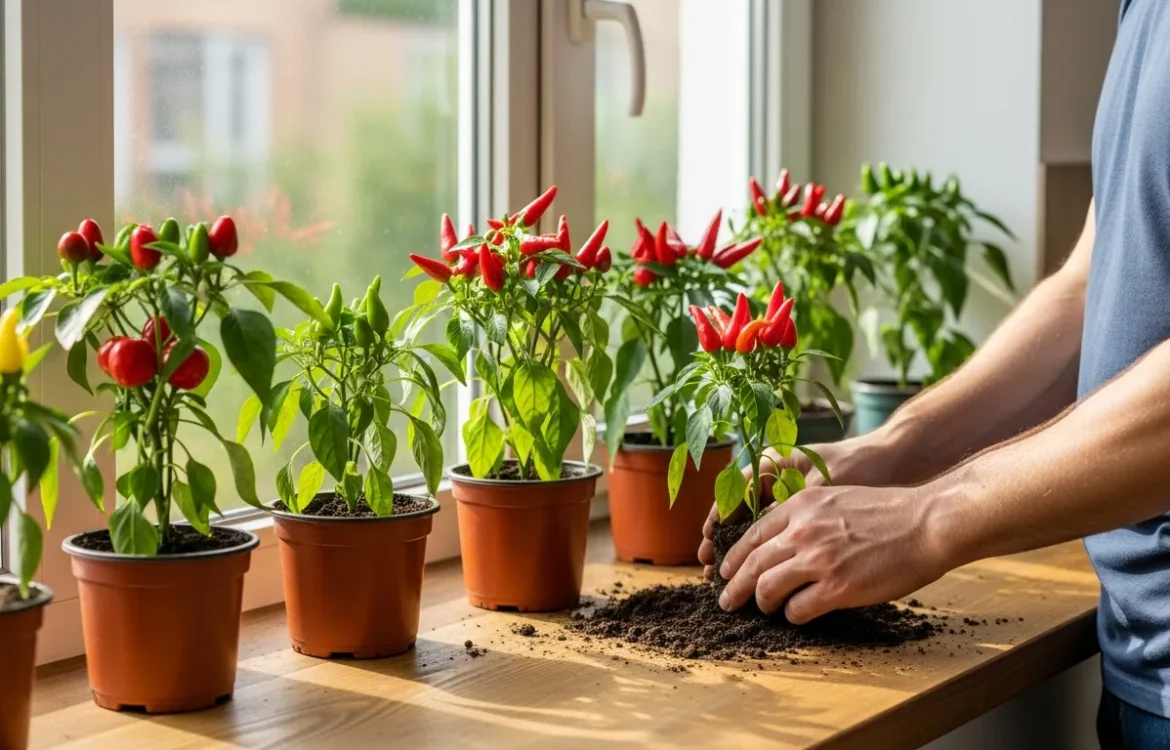
How Can You Successfully Grow Chili Peppers on a Small Windowsill?
Choosing the Right Chili Variety for Indoor Spaces
Growing chili peppers on a windowsill is one of the most rewarding ways for a renter to bring life and flavor into his home. However, success begins with selecting the right genetics. Not all pepper plants are suited for the confined space of a window ledge. A gardener should look for dwarf or compact varieties that are specifically bred for containers.
Varieties like the ‘Apache,’ ‘Thai Hot,’ or ‘Prairie Fire’ are excellent choices. He will find that these plants stay relatively small—usually under 18 inches—while still producing a prolific amount of fruit. If he prefers something with less heat, the ‘Medusa’ pepper offers stunning visual appeal without the intense burn. When a man integrates these plants into his home, he is not just growing food; he is exploring budget-friendly ways to spruce up his living space with functional greenery.
The Critical Role of Light and Heat
Chili peppers are tropical perennials by nature, meaning they crave light and warmth. To ensure a healthy harvest in 2026, a south-facing windowsill is the gold standard. This provides the maximum amount of direct sunlight throughout the day. If he notices his plants becoming leggy or reaching desperately toward the glass, it is a sign they are not receiving the required 6 to 8 hours of daily sun.
In northern climates or during winter months, he might need to supplement natural light with a compact LED grow light. Additionally, temperature consistency is vital. He should ensure the pots are not touched by freezing window panes at night, as a sudden chill can cause the plant to drop its flowers. Keeping the ambient temperature around 70-80°F (21-27°C) during the day will keep the metabolism of the pepper plant high.
Potting Mix and Container Selection
Drainage is the most important factor when it comes to the container. A chili plant sitting in stagnant water will quickly develop root rot. He should choose a pot with ample drainage holes at the bottom. While terracotta is aesthetically pleasing and aids in aeration, it can dry out quickly; plastic or glazed ceramic may be better for maintaining consistent moisture levels.
Regarding soil, a high-quality organic potting mix is essential. He should avoid using garden soil, which is too heavy and may contain pests. A mix containing peat moss, perlite, and vermiculite ensures the roots have access to oxygen. Having fresh chilies on hand is a fantastic addition to any man’s culinary arsenal, especially when he has already stocked his home with must-have tools for a functional kitchen.
Watering and Feeding for Maximum Harvest
Watering a windowsill pepper plant requires a delicate balance. The goal is to keep the soil moist but never soggy. He should wait until the top inch of soil feels dry to the touch before watering again. Over-watering is the most common mistake made by indoor gardeners.
Because the nutrients in a small pot are limited, regular feeding is necessary once the plant begins to flower. A liquid fertilizer high in potassium will encourage fruit production rather than just leafy growth. He should apply the fertilizer at half-strength every two weeks to avoid salt buildup in the soil.
Pollination and Maintenance Tips
Since there are no bees inside an apartment to handle pollination, he must take matters into his own hands—literally. When the flowers bloom, he can gently shake the plant or use a small paintbrush to transfer pollen from one flower to another. This simple act ensures that the flowers turn into peppers rather than falling off the stem.
He should also keep an eye out for common indoor pests like aphids or fungus gnats. Wiping the leaves with a damp cloth or using a mild insecticidal soap will keep the plant healthy. Pruning the growing tips early in the season will also encourage the plant to bush out, leading to a more stable and productive chili bush.
Frequently Asked Questions
How long does it take for windowsill chilies to ripen?
Typically, it takes between 60 to 90 days from the time of flowering for a chili pepper to reach full maturity. The color change from green to red, orange, or yellow is the best indicator that it is ready for harvest.
Do I need to repot my chili plant?
If he notices roots growing out of the drainage holes, it is time to move the plant to a slightly larger container. However, chili peppers actually enjoy being slightly root-bound, so he should not increase the pot size too drastically.
Can chili peppers live for more than one year?
Yes, chili peppers are perennials. If he keeps the plant warm and provides enough light during the winter, the plant can live and produce fruit for several years.
Why are my pepper plant leaves turning yellow?
Yellow leaves are often a sign of over-watering or a nitrogen deficiency. He should check the moisture level of the soil first; if it is dry, a balanced liquid fertilizer should solve the problem.