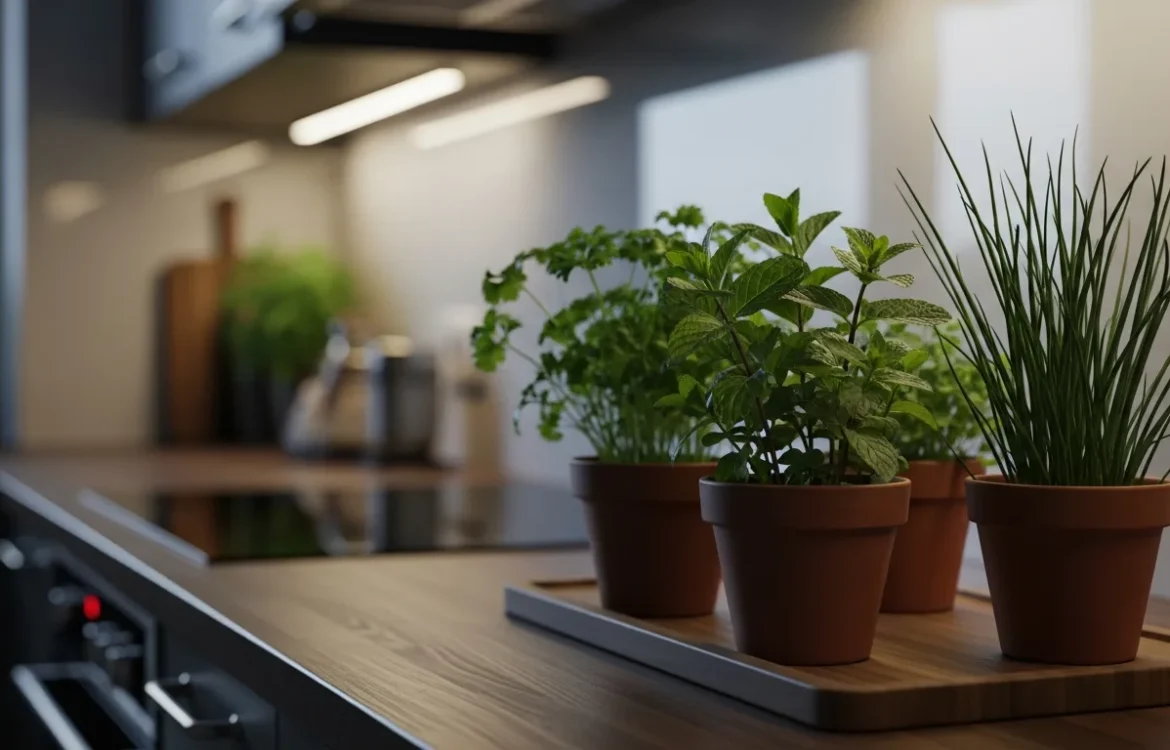
Can You Grow Herbs in a Dim Kitchen? The Best Low Light Varieties for Renters
Why Every Renter Needs a Low Light Herb Garden
Living in a modern urban apartment often means sacrificing direct sunlight for a prime location. For the home cook, this can feel like a death sentence for a culinary garden. However, in 2026, the trend of ‘shade gardening’ has taken over interior design, proving that a lack of south-facing windows shouldn’t stop a man from enjoying fresh flavors. When he is checking off his first apartment kitchen list, he often forgets that fresh greenery can transform a cramped space into a chef’s sanctuary.
Low light herbs are specifically adapted to thrive in indirect sun or partial shade. While they may grow more slowly than their sun-drenched counterparts, they offer a sustainable way to elevate home-cooked meals without the need for expensive grow light setups.
Identifying Your Kitchen’s Light Profile
Before selecting plants, a renter must understand the light he actually has. In most apartment settings, ‘low light’ refers to areas that receive no direct sun but are bright enough to read a book in during the afternoon. This is common in north-facing windows or kitchens where neighboring buildings block the horizon.
- Low Light: No direct sun, usually 10 feet or more from a window.
- Indirect Light: Bright light that is filtered through a curtain or reflected off a nearby wall.
- Partial Shade: Receives direct sun for only 2-3 hours a day.
Top 5 Best Low Light Herbs for Apartment Kitchens
Not all herbs are created equal. While rosemary and basil demand intense heat and light, the following varieties are much more forgiving of a dimmer environment.
1. Mint
Mint is practically indestructible. In the wild, it often grows in the damp, shaded undergrowth of forests. In an apartment, it thrives in indirect light. A man should keep his mint in a dedicated pot, as its aggressive root system will quickly overtake any neighboring plants. It is perfect for teas, cocktails, and garnishing summer salads.
2. Chives
Chives are one of the most resilient herbs for the low-light gardener. They require very little maintenance and can survive in a north-facing window with ease. He will find that chives add a delicate onion flavor to eggs and potatoes, making them a staple for any kitchen. Adding these living plants alongside other essential kitchen items ensures the space feels functional and vibrant.
3. Parsley
Flat-leaf or curly parsley is a slow grower, but it is remarkably shade-tolerant. It prefers cooler temperatures, which are common in apartment kitchens that don’t get baked by the afternoon sun. He should ensure the soil remains moist but not waterlogged to prevent root rot.
4. Cilantro
Cilantro actually prefers lower light and cooler temperatures because heat causes it to ‘bolt’ or go to seed prematurely. By keeping it in a dimmer part of the kitchen, he can extend the harvest period of those zesty leaves for his tacos and salsas.
5. Lemon Balm
A member of the mint family, lemon balm is incredibly hardy. It can handle significantly less light than most culinary herbs and provides a refreshing citrus scent that can naturally deodorize a small apartment kitchen.
Essential Care Tips for Shady Kitchen Gardens
Growing herbs in low light requires a slightly different strategy than traditional gardening. Because the plants aren’t processing as much energy from the sun, their metabolic needs are lower.
Manage Watering Carefully: Plants in low light take longer to dry out. He should always check the top inch of soil; if it is still damp, he must wait to water. Overwatering is the number one killer of indoor apartment herbs.
Use High-Quality Potting Mix: Since the plant is already light-deprived, it needs the best nutrients possible. A well-draining organic potting mix with perlite will help oxygenate the roots. He should also consider a liquid fertilizer at half-strength once a month during the growing season.
Rotate for Even Growth: To prevent the herb from leaning awkwardly toward the nearest light source, he should rotate the pot a quarter turn every week. This ensures the plant maintains a full, aesthetic shape rather than becoming ‘leggy.’
Frequently Asked Questions
Which herb is the easiest to grow in a dark kitchen?
Mint and chives are widely considered the easiest. They are naturally adapted to forest floors and meadows where light is often filtered, making them perfect for apartment life.
Do I need grow lights for low light herbs?
While not strictly necessary for the herbs listed above, a small LED grow light can help if the kitchen is truly windowless. However, most low light herbs will survive and grow slowly with just ambient room light.
How do I know if my herb isn’t getting enough light?
If he notices the stems are becoming very thin and long (leggy) or the leaves are turning pale yellow, the plant is likely reaching for more light. Moving it just a few feet closer to a window can often solve the problem.
Can I grow rosemary in low light?
Generally, no. Rosemary, sage, and oregano are Mediterranean herbs that require at least 6-8 hours of direct, intense sunlight to thrive. They will likely wither or lose their flavor in a dim kitchen.