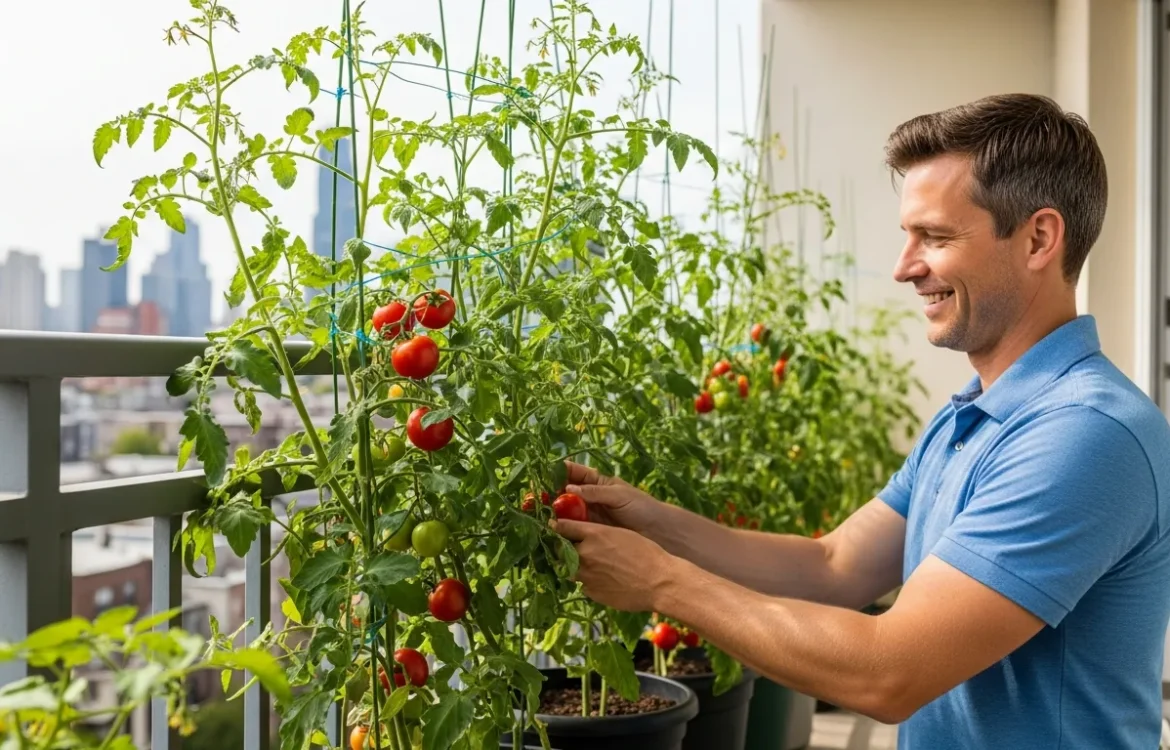
How Can You Successfully Grow Tomatoes on a Small Apartment Balcony?
Assessing Your Balcony for Optimal Growth
Growing tomatoes in an urban environment is entirely possible, even if you only have a few square feet of outdoor space. Before a man buys his first seedling, he must evaluate the environmental conditions of his balcony. Tomatoes are sun-loving plants that typically require at least six to eight hours of direct sunlight to produce a bountiful harvest. If his balcony faces north or is heavily shaded by adjacent buildings, he might need to focus on cherry tomato varieties, which are slightly more forgiving of lower light levels.
Beyond light, wind is a significant factor. Higher-floor balconies often experience strong gusts that can desiccate plants or snap fragile stems. A gardener should consider installing a windbreak or ensuring his pots are heavy enough to prevent tipping. Checking the weight capacity of the balcony is also a smart move, as large pots filled with wet soil can become surprisingly heavy.
Choosing the Right Tomato Varieties for Small Spaces
Not all tomato plants are suited for life in a pot. When a man selects his seeds or starts, he should look for terms like determinate or bush varieties. These plants grow to a specific height (usually 2-4 feet) and produce their fruit all at once, making them ideal for container gardening. Indeterminate varieties, on the other hand, continue to grow like vines and can easily take over a small space if he does not prune them aggressively.
- Tiny Tim: A classic dwarf variety that fits in small pots.
- Patio Princess: Specifically bred for containers with high yields.
- Bush Steak: For those who want large slicer tomatoes without the massive vine.
- Sungold: A popular cherry tomato that is incredibly sweet and prolific.
Essential Supplies for Your Urban Garden
To get started, a gardener needs more than just a plant. He should consult his apartment shopping list to ensure he has high-quality potting mix, not garden soil. Garden soil is too dense for containers and can lead to root rot. A premium potting mix will be light, fluffy, and designed to retain moisture while allowing for proper drainage.
Container choice is equally vital. A five-gallon bucket or a pot of similar size is the gold standard for most tomato plants. Smaller pots will dry out too quickly and stunt the plant’s growth. He must ensure there are adequate drainage holes at the bottom of each container to prevent water from pooling.
Planting and Initial Care
When it is time to plant, a man should bury the tomato seedling deep—up to its first set of true leaves. Tomatoes have the unique ability to grow roots all along their stems, so deep planting leads to a much stronger and more resilient root system. Once planted, he should provide immediate support. Even bush varieties benefit from a small tomato cage or a sturdy stake to keep the fruit off the soil.
Integrating these vibrant green plants is also one of the most effective cozy apartment decorating ideas, as it adds life and texture to a sterile balcony environment. The visual appeal of ripening red fruit against a city backdrop is unmatched.
Watering and Feeding for Maximum Yield
Consistency is the secret to tomato success. In the heat of mid-summer, a balcony container can dry out in a matter of hours. A man should check his plants daily, sticking his finger an inch into the soil; if it feels dry, it is time to water. He should aim the water at the base of the plant rather than wetting the leaves, which can invite fungal diseases.
Because nutrients leach out of containers every time he waters, regular fertilization is necessary. Using a balanced, water-soluble fertilizer every two weeks will ensure the plant has the phosphorus and potassium it needs to develop fruit rather than just excess foliage.
Managing Pests and Diseases
Even on a high-rise balcony, pests can find their way to a garden. Aphids and spider mites are the most common culprits. A gardener should inspect his plants regularly, looking at the undersides of leaves. If he spots an infestation, a simple spray of neem oil or insecticidal soap can usually handle the problem. Good airflow is also essential; he should avoid crowding his pots too closely together to prevent powdery mildew from taking hold.
Frequently Asked Questions
How much sun do balcony tomatoes really need?
For the best results, a tomato plant needs a minimum of six hours of direct sunlight. If a man has a shaded balcony, he should stick to cherry tomato varieties which can sometimes produce with only four to five hours of sun.
Can I grow tomatoes from grocery store seeds?
While possible, it is not recommended. Most grocery store tomatoes are hybrids, and their seeds may not grow true to the parent plant. A gardener is better off buying heirloom or specific container-variety seeds from a reputable nursery.
What size pot is best for a balcony tomato?
A five-gallon container is the ideal size for most varieties. It provides enough room for the roots to expand and holds enough moisture to prevent the plant from wilting between waterings.
How often should I fertilize my balcony tomatoes?
In a container environment, he should fertilize every 10 to 14 days with a liquid fertilizer designed for vegetables to replace the nutrients lost through frequent watering.