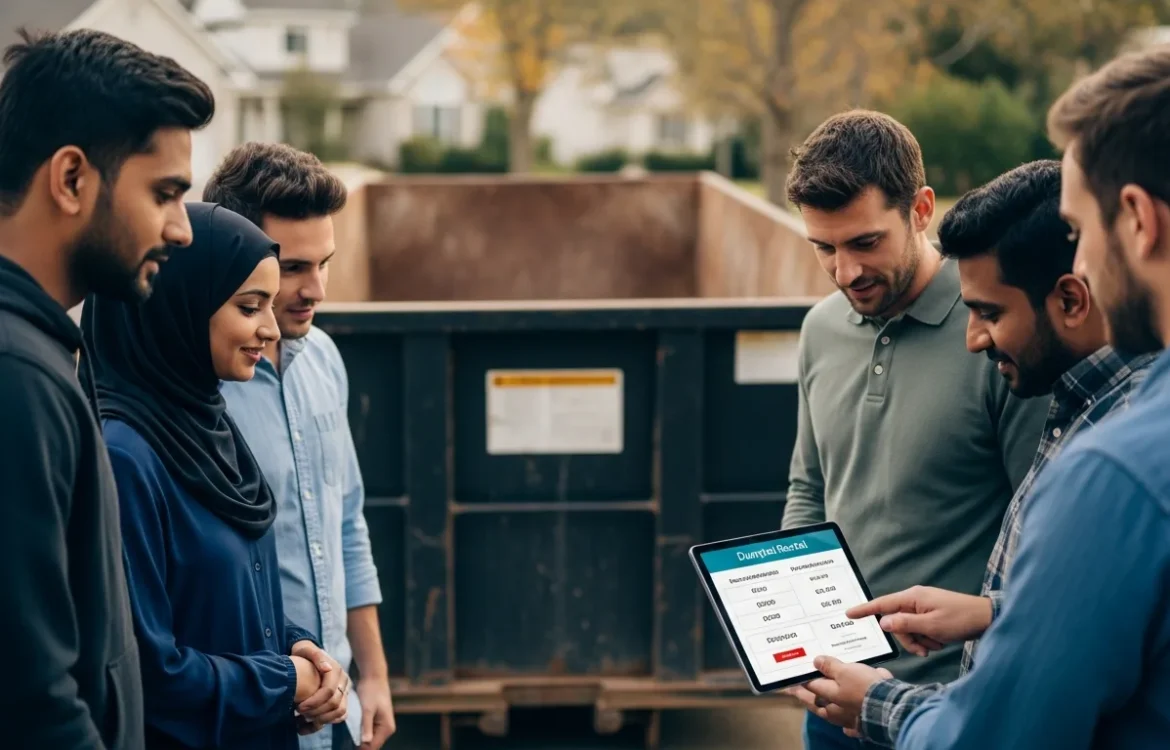
How Much Does It Cost to Rent a Dumpster? A Complete Price Breakdown
Whether you are tackling a major home renovation, clearing out a cluttered garage, or preparing for a big move, renting a dumpster is often the most efficient way to handle large volumes of waste. However, for most homeowners and contractors, the first question is always: how much does it cost to rent a dumpster?
On average, you can expect to pay anywhere from $300 to $800 for a weekly rental. However, the final price is rarely a flat fee. It depends on several variables, ranging from the size of the container to the specific type of debris you are tossing. In this guide, we will break down the costs you can expect in 2026 and how to ensure you are getting the best value for your project.
Average Costs Based on Dumpster Size
The size of the dumpster is the most significant factor in determining your bill. Rental companies measure these in cubic yards, which represents the volume of waste the container can hold.
- 10-Yard Dumpster: Ideal for small basement cleanouts or minor landscaping. Costs typically range from $250 to $450.
- 20-Yard Dumpster: The most popular choice for mid-sized projects like kitchen remodels or shingle replacements. Expect to pay between $350 and $600.
- 30-Yard Dumpster: Best for large home additions or whole-home decluttering. Prices generally fall between $450 and $750.
- 40-Yard Dumpster: Reserved for commercial projects or massive residential construction. These range from $550 to $1,000+.
When planning a large-scale renovation or cleanout, it is essential to look at your total moving expenses and what to budget for the transition, as waste management is a frequently overlooked line item.
Key Factors That Influence Dumpster Pricing
Beyond the physical size of the bin, several external factors will move the needle on your final quote. Understanding these can help you avoid “sticker shock” when the bill arrives.
1. Your Location
Like most services, geography plays a role. If you live in a high-cost-of-living urban area, you will likely pay more due to higher fuel costs and disposal fees at local landfills. Conversely, rural rentals might include a “long-distance” delivery surcharge.
2. Type of Debris
What you put inside the dumpster matters just as much as how much you put in. “Clean” loads—such as only concrete, only dirt, or only scrap metal—are often cheaper because they can be recycled easily. Mixed loads that include household junk and construction materials are more expensive to process.
3. Weight Limits
Every dumpster comes with a weight limit (usually measured in tons). If you exceed this limit, you will be charged an overage fee, which can range from $50 to $100 per additional ton. If you are relocating, remember that disposal costs can significantly impact the average cost to move out of state, especially if you are purging heavy furniture or appliances.
4. Rental Duration
Most companies offer a standard rental period of 7 to 10 days. If you need the dumpster longer, you will likely face daily extension fees. It is always better to work quickly and have the bin picked up early if possible.
Common Hidden Fees to Watch For
To get an accurate estimate, always ask the rental company for an “all-inclusive” price. Some companies may exclude certain costs from their initial quote, such as:
- Permit Fees: If you plan to place the dumpster on a public street, your city may require a permit.
- Hazardous Material Fees: Tossing prohibited items like tires, batteries, or wet paint can result in heavy fines.
- Trip Fees: If the driver cannot drop off or pick up the dumpster because the area is blocked, you will be charged for the wasted trip.
How to Save Money on Your Rental
Renting a dumpster doesn’t have to break the bank. First, estimate your waste accurately; renting a bin that is too small and needing a second swap is much more expensive than renting a slightly larger one from the start. Second, try to schedule your rental during the “off-season” (late fall or winter) when demand is lower. Finally, always compare quotes from at least three local providers rather than just calling the first national brand you see online.
Frequently Asked Questions
How long can I keep a rented dumpster?
Most standard rental agreements last for 7 to 10 days. However, many companies offer flexible scheduling where you can pay an additional $10 to $20 per day if you need more time to finish your project.
Do I need a permit for a dumpster?
If the dumpster is placed on your private driveway, you generally do not need a permit. However, if it must be placed on a public sidewalk or street, most municipalities require a temporary use permit.
What items are not allowed in a dumpster?
You should never put hazardous materials in a dumpster. This includes tires, motor oil, refrigerators (due to freon), batteries, asbestos, and flammable liquids. Always check with your provider for a specific list of prohibited items.
Is a 10-yard dumpster enough for a garage cleanout?
For a standard one-car garage with a moderate amount of clutter, a 10-yard dumpster is usually sufficient. However, if you are disposing of large furniture or heavy workbenches, a 20-yard container might be a safer bet to avoid overage charges.