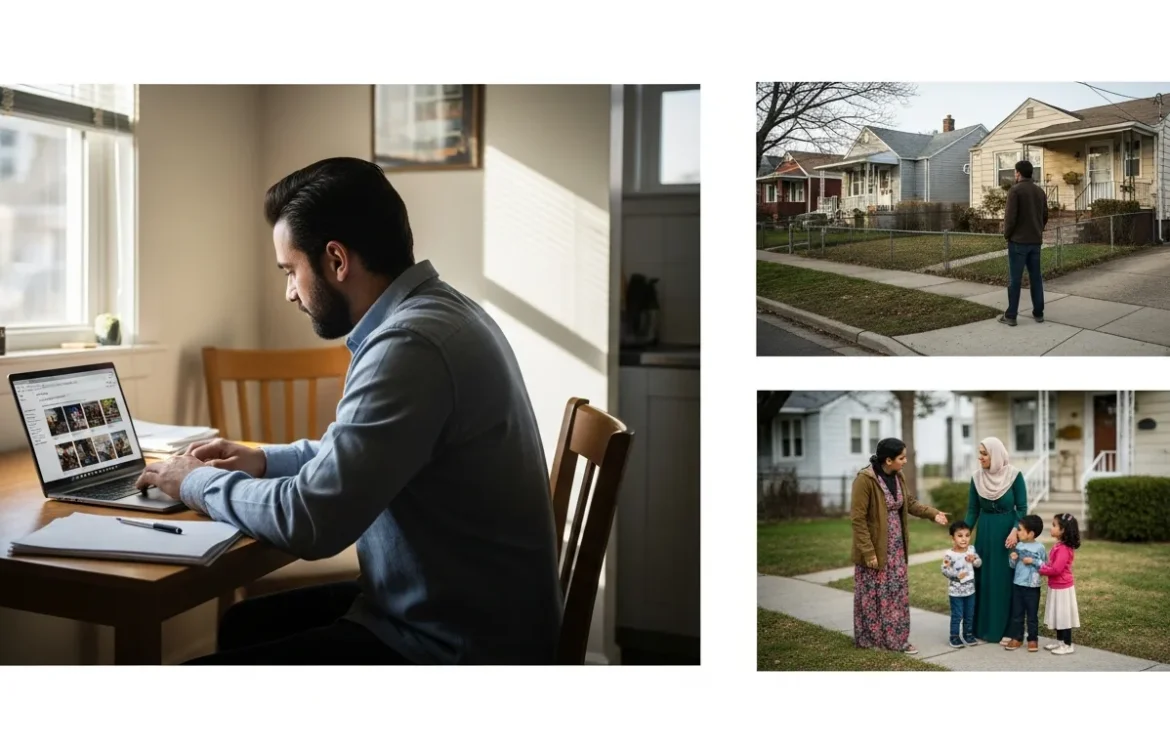
Low Income Single Family Homes for Rent: Your 2026 Guide
Finding a low income single family home for rent can feel like searching for a needle in a haystack, but with the right strategies and resources, it’s entirely possible to secure an affordable, spacious rental for your family. In 2026, the demand for affordable housing continues to outpace supply, making it crucial to understand the programs, eligibility requirements, and application processes that can help you land a home. This guide covers everything from government assistance to private market tips, ensuring you have the tools to navigate this challenging landscape successfully.
Low income single family homes for rent are available through government programs like Section 8, USDA Rural Development, and public housing authorities, as well as private landlords offering affordable rates. To qualify, your household income must typically be below 50-80% of the area median income, and you’ll need to apply through local housing agencies or search specialized rental listings.
What Are Low Income Single Family Homes?
Low income single family homes are detached houses available for rent at below-market rates, designed to accommodate families who earn less than the area median income. These properties often come with multiple bedrooms, private yards, and more space than apartments, making them ideal for larger households. They can be found through various channels, including government-subsidized programs and private landlords participating in affordable housing initiatives. Understanding the different types available is the first step in your search.
- Government-subsidized homes: Rents are capped based on income, often through programs like Section 8.
- Non-profit owned properties: Managed by organizations dedicated to affordable housing.
- Private market listings: Landlords may offer reduced rents to meet community needs or tax incentives.
- Rural development homes: Specifically for low-income families in eligible rural areas.
How to Qualify for Low Income Single Family Rentals
Qualification for low income single family homes hinges on several key factors, primarily your household income relative to the area median. Most programs require your income to fall between 30% and 80% of the median, with stricter limits for deeper subsidies. You’ll also need to meet other criteria, such as citizenship status, background checks, and family size requirements. For example, a family of four in a city with a median income of $70,000 might need to earn less than $35,000 to qualify for certain programs. It’s essential to check local guidelines, as these vary widely by region and program.
If you’re unsure about your eligibility, start by reviewing your local Section 8 housing list for specific requirements and application windows.
- Calculate your total household income from all sources (wages, benefits, etc.).
- Compare it to the area median income (AMI) for your family size.
- Gather documentation: tax returns, pay stubs, ID, and Social Security cards.
- Check for any criminal or rental history that might affect eligibility.
- Apply through authorized housing agencies or online portals.
Top Programs for Low Income Single Family Homes
Several government and non-profit programs specialize in providing low income single family homes for rent. The most well-known is the Section 8 Housing Choice Voucher program, which allows recipients to rent from private landlords while the government covers a portion of the rent. Other options include USDA Rural Development rentals, public housing authorities that manage single-family units, and state-specific initiatives. Each program has its own application process and waiting lists, so it’s wise to apply to multiple to increase your chances.
| Program | Eligibility | Benefits | How to Apply |
|---|---|---|---|
| Section 8 Vouchers | Income below 50% AMI | Rent subsidy, choice of home | Local housing authority |
| USDA Rural Development | Low income in rural areas | Direct rentals, often single-family | USDA office or website |
| Public Housing | Income below 80% AMI | Affordable rents, managed units | Housing authority application |
| Non-Profit Housing | Varies by organization | Community-focused, stable rents | Direct contact with non-profits |
To stay updated on availability, regularly check your Section 8 waiting list status through local agencies.
Tips for Finding Low Income Single Family Rentals
Beyond formal programs, there are proactive strategies to find low income single family homes in the private market. Start by searching online listings on websites like Zillow or Craigslist, using filters for price and property type. Networking with local community organizations can also uncover unadvertised opportunities. Additionally, consider expanding your search to nearby rural areas where rents may be lower. Always verify the legitimacy of listings to avoid scams, and be prepared to act quickly, as affordable homes often rent fast.
- Use keywords like “affordable,” “income-based,” or “subsidized” in online searches.
- Contact local housing counselors for personalized assistance.
- Attend housing fairs or workshops in your community.
- Look for landlords who participate in the Section 8 program.
- Consider subsidized apartments near you as a backup if single-family homes are scarce.
Application Process and Documentation
The application process for low income single family homes can be detailed and time-consuming, so organization is key. You’ll typically need to submit proof of income, identification, rental history, and references. For government programs, expect background checks and home inspections. It’s crucial to fill out forms accurately and respond promptly to any requests from housing agencies. Missing deadlines or providing incomplete information can delay your approval or result in denial.
- Gather all required documents: ID, income proof, birth certificates, etc.
- Complete application forms thoroughly and honestly.
- Submit applications before deadlines, either online or in person.
- Follow up regularly to check on your status.
- Prepare for interviews or inspections if required.
For more on managing costs, see our guide on how to budget rent on low income to ensure affordability.
Common Challenges and Solutions
Renting a low income single family home comes with challenges, such as long waiting lists, strict eligibility rules, and limited availability in high-demand areas. To overcome these, apply to multiple programs and broaden your geographic search. Building a strong rental history and maintaining good credit can also improve your chances. If you face discrimination or unfair practices, know your rights under fair housing laws. Patience and persistence are essential, as securing a home may take months or even years.
- Challenge: Long waiting lists. Solution: Apply early and to multiple programs.
- Challenge: Income limits too low. Solution: Look for programs with higher thresholds or part-time work adjustments.
- Challenge: Scams. Solution: Verify listings through official channels.
- Challenge: High competition. Solution: Have documents ready and apply immediately.
FAQs About Low Income Single Family Homes for Rent
What income is considered low income for single family rentals?
Low income is typically defined as earning less than 80% of the area median income (AMI), but for deeper subsidies, it may be 30-50% AMI. For example, in a city with a $60,000 AMI, a family earning under $48,000 might qualify. Check local housing agencies for specific thresholds.
How long does it take to get a low income single family home?
It can take from a few months to several years, depending on program waiting lists and availability. Section 8 vouchers often have waits of 1-5 years, while private rentals might be faster if you find a willing landlord.
Can I use Section 8 for a single family home?
Yes, Section 8 vouchers can be used for single family homes if the landlord accepts them and the rent meets program limits. You’ll need to find a home that passes inspection and fits within the payment standard.
Are there low income single family homes in rural areas?
Yes, programs like USDA Rural Development offer single family rentals in eligible rural areas. These can be more affordable and have shorter waiting lists than urban options.
What if I have bad credit or a rental history issue?
Some programs may still accept you with explanations or mitigation plans. For private rentals, consider how to rent a house with bad credit by offering a higher deposit or co-signer.
Do I need to be a U.S. citizen to qualify?
Not always; many programs accept eligible immigrants with proper documentation. Check specific program rules for citizenship or residency requirements.
How can I avoid scams when searching for affordable homes?
Only use reputable websites, verify listings through housing agencies, and never wire money before seeing a property. For more tips, review our article on signs of a bad apartment to spot red flags.
What happens if my income changes after I move in?
Report income changes to your housing agency immediately; your rent may be adjusted accordingly. Failure to report can lead to penalties or loss of assistance.