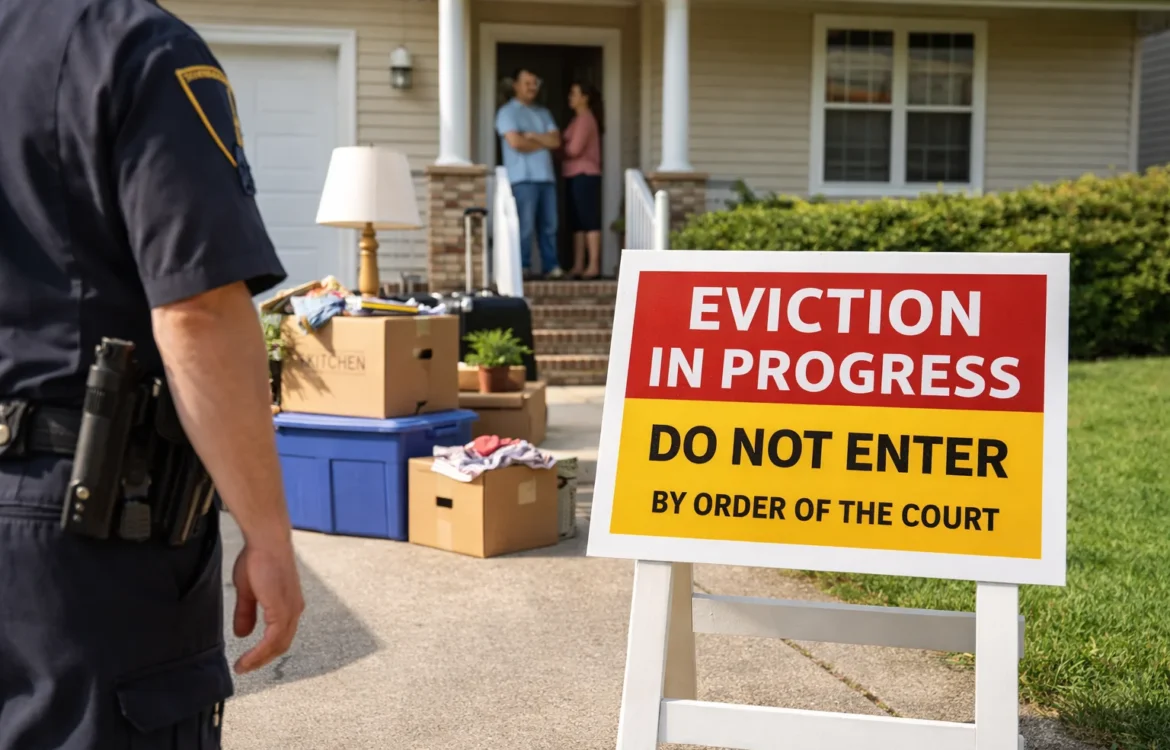
Do Evictions Happen on Weekends? What You Need to Know
Facing an eviction can be stressful, and the timing—especially on weekends—adds another layer of uncertainty. Whether you’re a tenant worried about a sudden weekend notice or a landlord navigating legal procedures, understanding when evictions can legally occur is crucial. This article breaks down the rules, exceptions, and practical advice for handling evictions on weekends, ensuring you’re prepared and informed.
⚡ Quick Answer
Evictions typically do not happen on weekends in most U.S. states because courts are closed, and legal proceedings like hearings or sheriff-assisted removals require court orders. However, exceptions exist, such as emergency situations or specific state laws, so always check local regulations and your lease agreement for details.
Understanding Eviction Laws and Weekend Restrictions
Eviction laws are designed to protect both tenants and landlords, with strict rules on timing to ensure fairness. In general, evictions involve multiple steps—notice, court hearings, and enforcement—that are tied to business days when courts operate. Weekends (Saturdays and Sundays) and holidays are usually excluded from these processes, meaning key actions like filing papers or scheduling hearings can’t occur. This delay helps prevent abrupt disruptions, but it’s essential to know your rights under local laws, which can vary significantly by state or city.
Why Evictions Rarely Occur on Weekends
Several factors make weekend evictions uncommon. First, courts are closed, so legal proceedings can’t advance without a judge’s order. Second, law enforcement agencies, such as sheriffs who enforce eviction orders, often follow court schedules and may not operate on weekends. Third, many states have laws explicitly prohibiting evictions on weekends to avoid undue hardship on tenants. For example, some jurisdictions require a minimum notice period that excludes weekends, giving tenants extra time to respond. Always review your local regulations to understand these protections.
- Courts are closed, halting legal processes.
- Law enforcement may not enforce orders on weekends.
- State laws often ban weekend evictions for tenant protection.
- Notice periods may extend over weekends, delaying actions.
Exceptions: When Evictions Might Happen on Weekends
While rare, there are scenarios where evictions could occur on weekends. Emergency situations, such as illegal activities or severe property damage, might prompt immediate action by landlords or authorities, bypassing normal court schedules. Additionally, some states or local jurisdictions have specific rules allowing weekend evictions under certain conditions, like if a tenant poses a safety threat. It’s also possible for a court order issued on a Friday to be enforced over the weekend if local laws permit. To avoid surprises, tenants should familiarize themselves with their lease terms and seek legal advice if facing urgent issues.
- Emergency cases involving safety risks or illegal acts.
- Specific state laws that allow weekend enforcement.
- Court orders timed to take effect over weekends.
- Landlord actions without court involvement in extreme scenarios.
State-by-State Variations in Weekend Eviction Rules
Eviction laws vary widely across the U.S., affecting whether weekends are included in the process. Some states, like California, explicitly prohibit evictions on weekends and holidays, while others may have more lenient rules. For instance, in Texas, evictions can sometimes occur on Saturdays if the court order specifies it. To help you navigate, here’s a comparison of key states:
| State | Weekend Eviction Allowed? | Key Notes |
|---|---|---|
| California | No | Prohibited on weekends and holidays; courts closed. |
| Texas | Sometimes | May allow Saturday evictions with court order. |
| New York | No | Typically restricted to business days. |
| Florida | Rarely | Emergency cases only; otherwise weekdays. |
Always check your state’s landlord-tenant laws or consult a legal expert for the most accurate information, as local ordinances can further modify these rules.
Practical Tips for Tenants Facing Potential Weekend Evictions
If you’re concerned about a weekend eviction, take proactive steps to protect yourself. First, know your rights by reviewing local laws and your lease agreement—this can clarify timelines and restrictions. Second, communicate with your landlord to resolve issues early, as many evictions stem from misunderstandings or unpaid rent. Third, seek legal assistance if you receive an eviction notice; organizations like tenant unions can offer support. Remember, most evictions require proper notice and court involvement, so don’t panic if a notice arrives on a weekend—it likely won’t be enforced immediately.
- Review local eviction laws and your lease terms.
- Communicate with your landlord to address problems.
- Seek legal help from tenant advocacy groups.
- Keep records of all notices and communications.
- Understand that weekend notices often delay action.
What Landlords Should Know About Weekend Evictions
For landlords, following legal procedures is essential to avoid penalties or disputes. Generally, avoid initiating evictions on weekends, as courts won’t process filings, and enforcement may be illegal. Instead, plan for weekdays and ensure all steps—like serving notices and filing papers—comply with state laws. In emergency cases, consult a lawyer to determine if immediate action is warranted. By adhering to rules, landlords can maintain good relationships with tenants and avoid legal complications. For more insights, explore resources on rental agreements to set clear expectations from the start.
FAQs: Do Evictions Happen on Weekends?
Can a landlord evict me on a Saturday?
In most cases, no—landlords cannot legally evict tenants on a Saturday because courts are closed, and eviction requires a court order. However, exceptions may apply in emergencies or under specific state laws, so check local regulations.
What should I do if I get an eviction notice on a weekend?
Remain calm and review the notice carefully. Since courts are closed, you likely have until the next business day to respond. Contact a legal advisor or tenant rights organization for guidance on your next steps.
Are there states where weekend evictions are allowed?
Yes, some states, like Texas, may allow evictions on Saturdays under certain conditions, but this is rare. Most states restrict evictions to weekdays to protect tenants’ rights.
How long does an eviction process usually take?
The eviction process typically takes 1-3 weeks, depending on state laws and court schedules. Weekends and holidays can extend this timeline, as they are not counted in notice periods or court proceedings.
Can a sheriff remove me on a Sunday?
It’s highly unlikely. Sheriffs usually enforce eviction orders only on business days when courts are open. In emergency situations, local laws might permit it, but this is exceptional.
What constitutes an emergency eviction?
Emergency evictions may occur for serious issues like illegal activity, property damage, or immediate safety threats. These can bypass normal timelines but still require legal justification.
Do holidays affect eviction timelines?
Yes, holidays often delay eviction processes similar to weekends, as courts and government offices are closed. Notice periods may exclude holidays, giving tenants extra time.
How can I prevent an eviction?
Communicate with your landlord, pay rent on time, and address lease violations promptly. If facing financial hardship, seek assistance programs or negotiate a payment plan to avoid escalation.
Leave a Reply