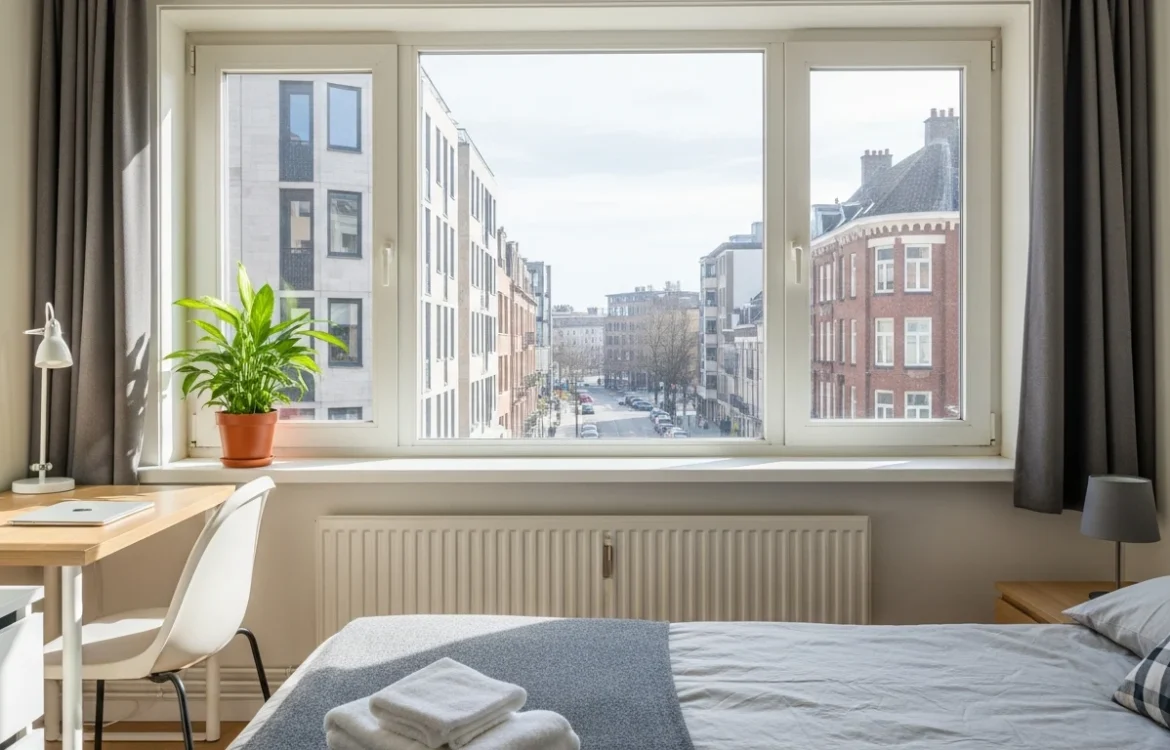
Rent a Room Cheap Near Me: 2026 Guide to Affordable Housing
Finding a cheap room for rent near you can feel overwhelming, especially with rising housing costs and limited availability. Whether you’re a student, young professional, or someone looking to downsize, renting a room offers a budget-friendly alternative to traditional apartments. In 2026, the rental market continues to evolve, with new platforms and strategies emerging to help renters secure affordable spaces. This comprehensive guide will walk you through everything you need to know—from where to search and how to evaluate listings to negotiating rent and avoiding scams. By the end, you’ll have the tools to find a safe, comfortable, and inexpensive room that fits your needs and budget.
To rent a room cheap near you, start by searching on platforms like Craigslist, Facebook Marketplace, and Roomster, set a budget under 30% of your income, and prioritize neighborhoods with lower costs. Always verify listings in person to avoid scams and negotiate rent by offering longer lease terms or upfront payments.
Why Rent a Room Instead of an Apartment?
Renting a room is often more affordable than leasing an entire apartment, making it an ideal choice for those on a tight budget. According to recent data, room rentals can cost 30-50% less than studio or one-bedroom apartments, especially in urban areas. This option also reduces utility bills and other expenses, as they’re typically shared with housemates. For first-time renters or those moving to a new city, it provides a low-commitment way to test a neighborhood without a long-term lease. If you’re unsure about your budget, check out our guide on how much rent you can afford on your salary to make informed decisions.
Where to Find Cheap Rooms for Rent Near You
Knowing where to look is half the battle when searching for affordable rooms. In 2026, a mix of online platforms and local resources can yield great results. Start with these options:
- Online Platforms: Websites like Craigslist, Facebook Marketplace, and Roomster are popular for room listings. Be cautious of scams—always verify details before committing.
- Local Bulletin Boards: Check community centers, universities, and coffee shops for posted ads. These often have lower prices due to less competition.
- Word of Mouth: Tell friends, family, and colleagues you’re looking; personal referrals can lead to hidden gems.
- Housing Groups: Join Facebook groups or apps like Nextdoor focused on housing in your area.
For more tips on navigating rental listings, read our article on apartment hunting tips for first-timers.
How to Set a Realistic Budget for Renting a Room
Setting a budget is crucial to avoid financial strain. Aim to spend no more than 30% of your monthly income on rent, including utilities. For example, if you earn $3,000 per month, your rent should be $900 or less. Consider these factors when budgeting:
- Base Rent: The monthly cost of the room itself.
- Utilities: Estimate $100-$200 for shared electricity, water, and internet. Learn more in our guide on how much utilities cost in an apartment.
- Security Deposit: Typically one month’s rent, refundable upon move-out. Understand the rules in our security deposit explanation.
- Additional Fees: Pet deposits or cleaning fees, if applicable.
Use a spreadsheet to track expenses and ensure you stay within your means.
Key Factors to Consider When Choosing a Room
Not all cheap rooms are created equal. Evaluate these aspects to find a safe and comfortable space:
- Location: Is it near public transit, work, or amenities? Safer neighborhoods might cost slightly more but offer peace of mind.
- Housemates: Meet potential roommates to ensure compatibility. Discuss habits like cleanliness, noise, and guest policies.
- Lease Terms: Understand if it’s month-to-month or a fixed lease. For flexibility, see our guide on month-to-month rental rules.
- Amenities: Check for laundry, parking, and kitchen access. A room with shared amenities can save money in the long run.
Average Costs of Renting a Room by Region (2026)
Prices vary widely based on location. Here’s a comparison to help you gauge what’s reasonable:
| Region | Average Monthly Rent for a Room | Notes |
|---|---|---|
| Northeast (e.g., NYC) | $800-$1,200 | Higher in cities; consider cheap apartments in NYC for alternatives. |
| Midwest (e.g., Chicago) | $500-$800 | More affordable with good amenities. |
| South (e.g., Atlanta) | $600-$900 | Growing demand may increase prices. |
| West (e.g., Los Angeles) | $700-$1,100 | Look for suburbs for better deals. |
For a broader view, compare cost of living by state to make informed choices.
Tips for Negotiating Rent and Securing a Deal
Don’t be afraid to negotiate—many landlords are open to discussion, especially if the room has been vacant. Use these strategies:
- Offer to Sign a Longer Lease: Committing to 6-12 months can lower monthly rent.
- Pay Upfront: Offering multiple months’ rent in advance might secure a discount.
- Highlight Your Reliability: Share proof of stable income or good rental history.
- Ask About Move-In Specials: Some places offer reduced rent for the first month. Learn more in our guide to cheap move-in specials.
Always get agreements in writing to avoid misunderstandings.
Red Flags to Avoid When Renting a Room Cheap
Scams are common in the cheap rental market. Watch out for these warning signs:
- Too-Good-to-Be-True Prices: If rent is significantly below market rate, it might be a scam.
- Pressure to Pay Without Seeing the Room: Legitimate landlords will allow in-person visits.
- Vague or Missing Lease Agreements: Always review a formal contract.
- Unverified Landlords: Research the property owner online or through public records.
For more on avoiding fraud, read our article on Craigslist apartment scams.
How to Prepare for Moving Into a Rented Room
Once you’ve secured a room, preparation is key to a smooth transition. Follow this checklist:
- Document the Condition: Take photos before move-in to avoid deposit disputes.
- Set Up Utilities: Coordinate with housemates for shared services. Use our guide on how to set up electricity for help.
- Pack Essentials: Bring only what you need to save space. Refer to our first apartment checklist for ideas.
- Communicate with Housemates: Establish ground rules for shared areas.
Planning ahead can reduce stress and costs during the move.
Frequently Asked Questions (FAQs)
What is the cheapest way to rent a room near me?
The cheapest way is to search on platforms like Facebook Marketplace or local bulletin boards, negotiate rent by offering longer lease terms, and consider less popular neighborhoods. Always verify listings to avoid scams.
How can I find a room for rent without a credit check?
Look for private landlords or sublets, offer a higher security deposit, or provide proof of stable income and references. Some platforms cater to no-credit-check rentals, but be cautious of higher risks.
Is it safe to rent a room from Craigslist?
It can be safe if you take precautions: never send money without seeing the room, meet the landlord in person, and verify the listing details. Use our guide on Craigslist scams to stay protected.
What should I ask before renting a room?
Ask about rent due dates, utility splits, house rules, lease terms, and roommate backgrounds. Getting everything in writing helps prevent disputes later.
Can I rent a room if I have an eviction on my record?
Yes, but it may be harder. Look for private landlords, explain your situation honestly, and offer a larger deposit. For more details, see our article on renting with an eviction.
How much should I budget for utilities in a rented room?
Budget $100-$200 per month for shared utilities like electricity, water, and internet. Costs vary by location and usage—check with current housemates for accurate estimates.
What are my rights as a tenant renting a room?
You have rights to a habitable space, privacy, and protection from unfair eviction. Laws vary by state; review local tenant regulations to understand your specific protections.
How do I handle conflicts with roommates?
Communicate openly, set clear expectations early, and use a written agreement for shared responsibilities. If issues persist, consider mediation or, as a last resort, finding a new room.
Leave a Reply