How to Move Without a Car: Complete Guide for 2026
Moving to a new home is stressful enough without worrying about transportation. Whether you’re relocating across town or to another state, not having a car doesn’t mean you’re stuck. In fact, moving without a car can be surprisingly efficient and cost-effective with the right planning. This comprehensive guide will walk you through every option available, from rental trucks to full-service movers, helping you execute a smooth transition regardless of your vehicle situation. With rising costs and environmental concerns, more people are discovering the benefits of car-free moves, and we’ll show you exactly how to make it work for your specific needs.
To move without a car, you can rent a moving truck or van, hire professional movers, use shipping services for boxes, or combine public transportation with portable containers. Start by decluttering to reduce what you need to move, then choose the method that fits your budget and distance. For local moves, truck rentals are often cheapest, while long-distance moves may benefit from professional services or freight shipping.
Why Move Without a Car?
Before diving into the how, let’s explore why moving without a car might be your best option. Many people assume that having a personal vehicle is essential for relocation, but that’s not always the case. Moving without a car can save you money on gas, insurance, and maintenance costs associated with using your own vehicle for heavy hauling. It also reduces wear and tear on your car, which is especially important if you’re moving long distances. Environmentally, opting for efficient moving methods can lower your carbon footprint. Additionally, if you don’t own a car or yours isn’t suitable for moving large items, these alternatives provide practical solutions that might even be faster and less stressful than doing it yourself with limited resources.
Step-by-Step Guide to Moving Without a Car
Follow this structured approach to ensure your move goes smoothly from start to finish.
- Declutter and Downsize: Start by sorting through your belongings. Donate, sell, or discard items you no longer need. This reduces the volume you have to move, saving time and money.
- Inventory Your Items: Create a detailed list of what you’re moving. Categorize by size, weight, and fragility to help choose the right moving method.
- Research Moving Options: Explore rental trucks, moving services, shipping, and other alternatives based on your budget and distance.
- Book in Advance: Secure your chosen method early, especially during peak moving seasons (summer months and weekends).
- Pack Strategically: Use sturdy boxes and label them clearly. Consider color-coding for different rooms or priority levels.
- Coordinate Logistics: Plan the move day timeline, including loading, transportation, and unloading. Enlist help from friends if needed.
- Execute and Unpack: On moving day, follow your plan and unpack systematically at your new home.
Best Methods for Moving Without a Car
Here are the most effective ways to relocate when you don’t have a personal vehicle available.
- Rental Trucks or Vans: Companies like U-Haul, Budget, and Penske offer various sizes. You drive the truck yourself, making it ideal for local moves.
- Professional Moving Services: Hire full-service movers who handle everything from packing to transportation. Great for long-distance or when you prefer a hands-off approach.
- Freight or Cargo Shipping Ship boxes via UPS, FedEx, or freight services. Useful for smaller loads or supplementing other methods.
- Portable Moving Containers: Companies like PODS drop off a container, you fill it, and they transport it to your new address. Flexible and convenient.
- Public Transportation or Rideshares: For very small moves, use buses, trains, or rideshare apps with large vehicles. Best for minimal belongings.
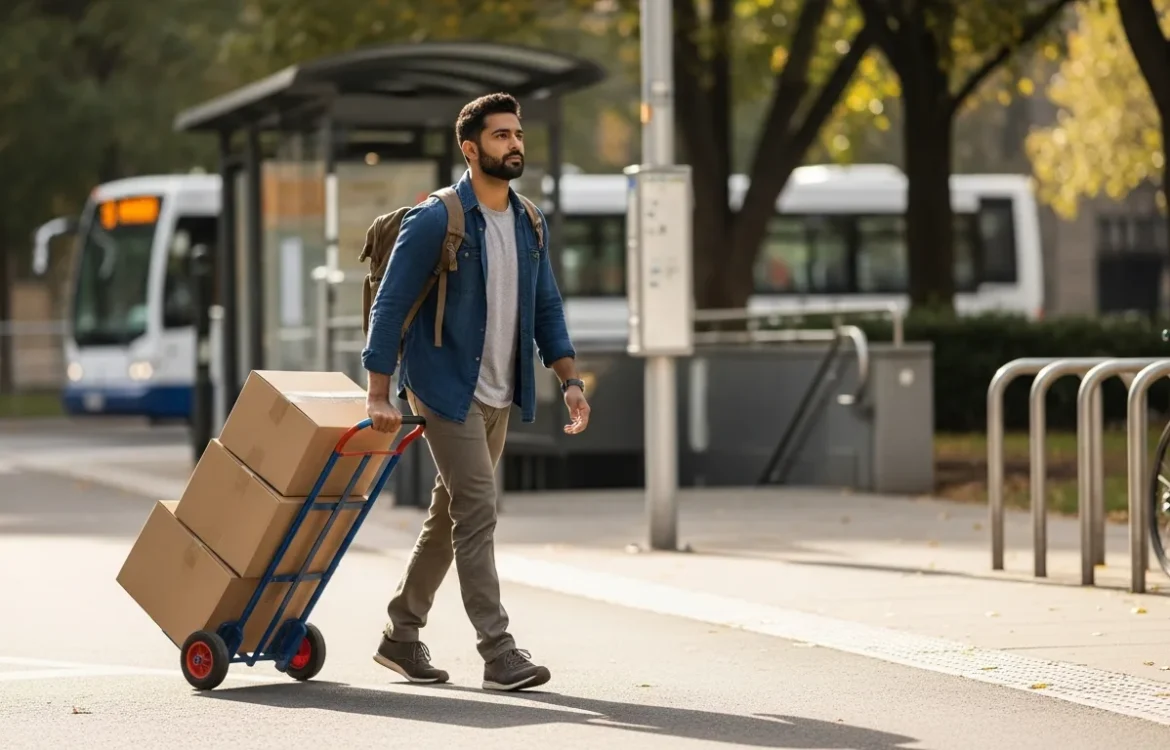
- Bike Trailers or Carts: In urban areas, use bike trailers or hand carts for short-distance moves of lightweight items.
Comparing Moving Methods
Use this table to evaluate which option suits your needs based on cost, distance, and effort.
| Method | Best For | Estimated Cost | Effort Level |
|---|---|---|---|
| Rental Truck | Local moves, DIY enthusiasts | $50-$200/day + gas | High (you drive and load) |
| Professional Movers | Long-distance, full-service | $1,000-$5,000+ | Low (they handle everything) |
| Shipping Boxes | Small loads, supplements | $20-$100 per box | Medium (you pack, they ship) |
| Portable Containers | Flexible timing, mid-distance | $300-$1,500 | Medium (you load, they transport) |
| Public Transit | Minimal items, urban areas | $5-$50 | High (multiple trips) |
Cost-Saving Tips for Car-Free Moves
Moving can be expensive, but these strategies help keep costs down.
- Declutter Ruthlessly: The less you move, the cheaper it is. Host a garage sale or use online platforms to sell unwanted items.
- Compare Quotes: Get estimates from multiple rental or moving companies. Look for discounts or promotions, especially during off-peak times.
- Use Free Packing Materials: Source boxes from local stores or community groups instead of buying new ones.
- Move During Weekdays: Rates are often lower mid-week compared to weekends or holidays.
- Share a Truck: If moving with a friend or neighbor, split the cost of a rental truck to save money.
- Insure Your Move: Check if your renters insurance covers moving, or purchase additional coverage to avoid costly damages.
For more budgeting advice, check out our guide on how much rent you can afford to align your moving costs with your overall financial plan.
Packing Strategies for Efficient Moves
Proper packing is crucial when you’re not using a personal car. Start by gathering supplies like sturdy boxes, bubble wrap, and tape. Pack room by room, labeling each box with its contents and destination. Use suitcases and bags for clothing to save on boxes. Disassemble furniture when possible to save space. For fragile items, wrap them individually and mark boxes as “fragile.” Keep an essentials box with items you’ll need immediately upon arrival, such as toiletries, snacks, and important documents. If you’re using a rental truck, load heavy items first and distribute weight evenly. Consider creating a free moving checklist to stay organized throughout the process.
Handling Special Items
Some belongings require extra care when moving without a car.
- Electronics: Use original packaging if available, or wrap in anti-static materials. Transport separately if possible.
- Plants: Move in a climate-controlled vehicle and water lightly before transport. Check regulations if moving across state lines.
- Pets: Use a secure carrier and plan for breaks during long trips. Keep food and water handy.
- Valuables: Carry jewelry, cash, and important papers with you rather than packing them.
- Large Furniture Disassemble pieces like beds and tables to fit in rental trucks or containers. Use blankets or pads to prevent scratches.
Legal and Practical Considerations
Before you move, review any lease agreements or rental contracts to understand your obligations. If you’re breaking a lease due to relocation, familiarize yourself with the process by reading about breaking a lease due to job transfer. For moves involving rental properties, ensure you follow proper procedures to get your security deposit back, as outlined in our guide on how to get your apartment deposit back. Additionally, if you’re moving to a new state, research local tenant laws to protect your rights. For example, if you’re heading to Florida, our Florida landlord tenant laws guide can be invaluable.
FAQs About Moving Without a Car
Can I move without a car if I have a lot of furniture?
Yes, you can move furniture without a car by renting a truck, hiring professional movers, or using portable containers. For large pieces, disassemble them first to save space. Compare costs based on the volume and distance to choose the best option.
What is the cheapest way to move without a car?
The cheapest method depends on your move. For local moves, renting a small truck or van is often most affordable. For long-distance with minimal items, shipping boxes via freight services can save money. Always declutter to reduce costs.
How do I move without a car in a big city?
In urban areas, use rental trucks with parking permits, hire movers with experience in city logistics, or utilize public transportation for small items. Portable containers are also convenient as they can be stored temporarily.
Can I use rideshare apps to move?
Yes, rideshare apps like Uber or Lyft offer larger vehicle options (e.g., SUVs or vans) that can handle small loads. This is best for a few boxes or lightweight items over short distances.
How far in advance should I plan a car-free move?
Start planning at least 4-6 weeks in advance, especially if booking during peak seasons. This gives you time to research options, get quotes, and secure reservations.
What if I need to move urgently without a car?
For urgent moves, look for same-day rental truck availability or last-minute moving services. Shipping boxes via express freight can also be quick, though more expensive.
Are there eco-friendly ways to move without a car?
Yes, opt for rental trucks with fuel-efficient models, use bike trailers for short moves, or choose moving companies that offset carbon emissions. Decluttering also reduces waste.
How do I transport pets when moving without a car?
Use a secure pet carrier and plan for breaks if using a rental truck. For professional movers, check if they allow pets in the vehicle, or consider transporting pets separately via pet-friendly rideshares.
Leave a Reply