Georgia Eviction Process: What Renters Need to Know
Facing eviction in Georgia can be a stressful and confusing experience for renters. Understanding the legal process is crucial to protect your rights and avoid unnecessary displacement. Georgia has specific laws governing evictions, and knowing the steps involved—from receiving an eviction notice to potential court proceedings—can make all the difference. This guide breaks down the Georgia eviction process, providing clear information on what to expect and how to respond, whether you’re dealing with non-payment of rent, lease violations, or other issues. By staying informed, you can navigate this challenging situation with confidence and ensure you’re treated fairly under the law.
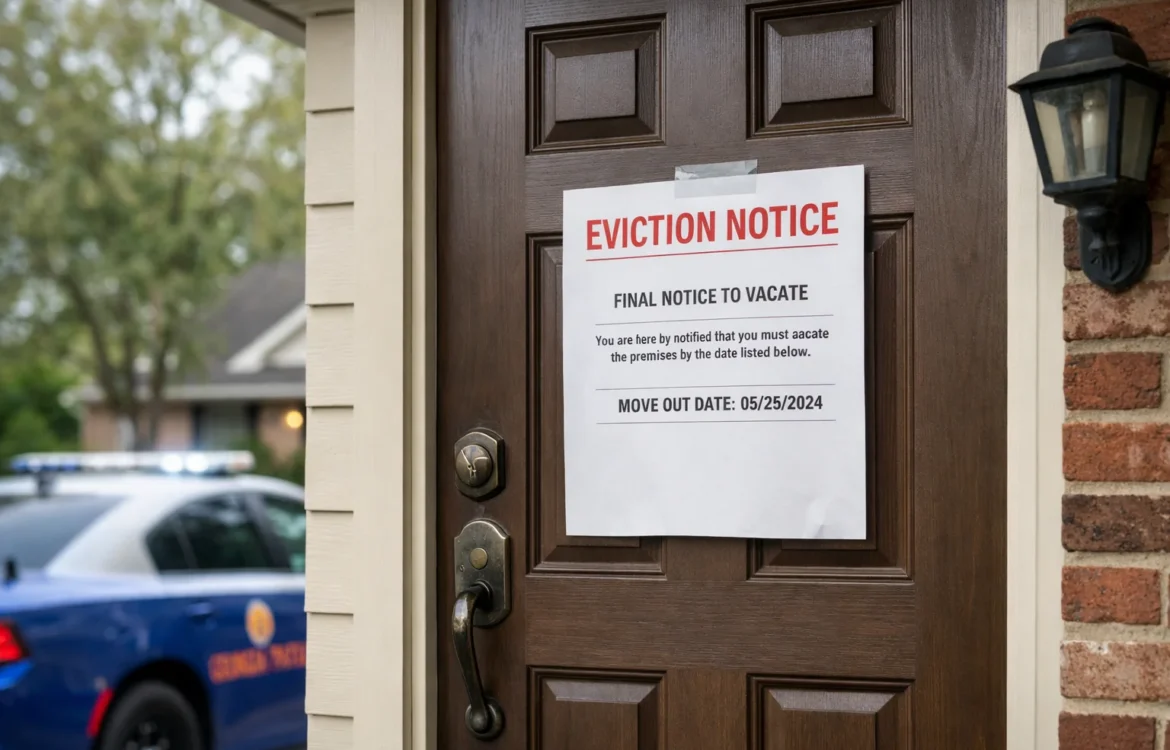
In Georgia, the eviction process typically starts with a written eviction notice (like a 7-day notice for non-payment of rent), followed by a dispossessory warrant if the tenant doesn’t comply, a court hearing, and potential removal by law enforcement if the landlord wins. Tenants have the right to respond and defend themselves in court.
Understanding Eviction Notices in Georgia
An eviction notice is the first formal step in the Georgia eviction process. It’s a written document from your landlord informing you of a lease violation and giving you a chance to fix it or vacate the property. Georgia law requires specific types of notices depending on the reason for eviction. For example, if you haven’t paid rent, you’ll likely receive a 7-day notice to pay or quit. This means you have seven days to pay the overdue rent or move out. Other common notices include a 30-day notice for lease violations (like unauthorized pets or excessive noise) or a 60-day notice for ending a month-to-month tenancy without cause. It’s important to read the notice carefully and understand the deadline, as failing to act can lead to further legal action. If you’re unsure about the validity of the notice, reviewing a rental eviction notice template can help you compare it to standard formats.
Steps in the Georgia Eviction Process
The eviction process in Georgia follows a structured legal path. Here are the key steps:
- Receive an Eviction Notice: Your landlord must provide a written notice specifying the reason and time frame to remedy the issue or vacate.
- Landlord Files a Dispossessory Warrant: If you don’t comply with the notice, the landlord can file this warrant with the local magistrate court to start a lawsuit.
- Court Hearing: You’ll receive a summons to attend a hearing, usually within 7-10 days. This is your chance to present your side, such as proving rent was paid or disputing the violation.
- Judgment and Writ of Possession: If the court rules in the landlord’s favor, they may issue a writ of possession, giving you a short time (often 7 days) to leave before law enforcement removes you.
- Appeal (if applicable): You can appeal the decision within 7 days, but this requires posting a bond and may delay eviction temporarily.
Throughout this process, tenants have rights, such as the right to a fair hearing and protection against illegal lockouts. For more on long-term tenant protections, check out our guide on tenant rights after 10 years.
Common Reasons for Eviction in Georgia
Landlords in Georgia can evict tenants for various reasons, but they must follow legal procedures. Common grounds include:
- Non-Payment of Rent: This is the most frequent reason. If rent is late, landlords typically issue a 7-day notice to pay or quit.
- Lease Violations: Examples include having pets without permission, causing damage, or engaging in illegal activities. A 30-day notice to cure or vacate is often used.
- Holdover Tenancy: If a lease ends and the tenant stays without renewal, the landlord may issue a notice to terminate the tenancy.
- No Lease or Month-to-Month Tenancy: Landlords can end these with a 60-day notice without stating a cause, unless local laws differ.
It’s worth noting that evictions cannot be based on discrimination (e.g., race or disability) or retaliation for exercising tenant rights. If you suspect unfair treatment, documenting everything and seeking legal advice is key. For tips on finding a fair landlord, read our article on how to find a good landlord.
Tenant Defenses Against Eviction in Georgia
If you receive an eviction notice in Georgia, you have several potential defenses to raise in court. These can help you avoid eviction or delay the process:
- Payment Proof: Show evidence that rent was paid on time, such as receipts or bank statements.
- Improper Notice: Argue that the eviction notice didn’t meet legal requirements (e.g., wrong time frame or missing details).
- Retaliation: Claim the eviction is in retaliation for reporting code violations or joining a tenant union.
- Repair and Deduct: If the landlord failed to make necessary repairs, you might have withheld rent legally, but this requires following specific steps.
- Discrimination: Prove the eviction is based on protected characteristics under fair housing laws.
Preparing these defenses often involves gathering documents and possibly consulting a lawyer. In some cases, negotiating with your landlord—such as setting up a payment plan—can resolve issues without court. For related legal insights, see our overview of New Jersey landlord tenant laws as a comparison.
Timeline and Costs of Eviction in Georgia
The eviction process in Georgia can vary in length and expense. Here’s a breakdown:
| Stage | Typical Time Frame | Potential Costs |
|---|---|---|
| Eviction Notice | 7-60 days, depending on reason | None for tenant |
| Court Filing | 1-2 weeks after notice expires | Filing fees (paid by landlord, but may be charged back if they win) |
| Hearing | 7-10 days after filing | Possible legal fees if hiring a lawyer |
| Appeal | 7 days to file, longer for resolution | Bond required (often equal to rent owed) |
| Removal | After writ issued, usually 7 days | Moving costs and potential lost deposit |
Overall, an uncontested eviction might take 3-4 weeks, while contested cases can drag on for months. Costs for tenants can include court fees if ordered to pay, moving expenses, and impact on future rentals. To budget for a move, consider our guide on the average cost to move out of state.
What to Do If You Receive an Eviction Notice in Georgia
Getting an eviction notice can be alarming, but taking prompt action can improve your outcome. Follow these steps:
- Read the Notice Carefully: Note the reason, deadline, and any instructions for curing the issue.
- Communicate with Your Landlord: Try to resolve the problem informally—e.g., pay overdue rent or fix a violation.
- Gather Evidence: Collect documents like lease agreements, payment records, and photos of repairs.
- Seek Legal Help: Contact a tenant attorney or legal aid organization for advice, especially if you plan to fight the eviction.
- Attend the Court Hearing: Don’t ignore the summons; showing up gives you a chance to present your case.
- Plan for Alternatives: If eviction seems likely, start looking for new housing to avoid a last-minute scramble.
Remember, eviction records can make it harder to rent in the future, so addressing issues early is best. For tips on securing a new rental, explore our article on can you rent an apartment with an eviction.
FAQs About Georgia Eviction Process
How long does an eviction take in Georgia?
An eviction in Georgia typically takes 3-6 weeks from notice to removal if uncontested, but contested cases can last several months due to court delays and appeals.
Can a landlord evict you without a court order in Georgia?
No, Georgia law prohibits “self-help” evictions. Landlords must go through the court process and obtain a writ of possession; changing locks or shutting off utilities without a court order is illegal.
What is a 7-day notice to quit in Georgia?
A 7-day notice to quit is used for non-payment of rent in Georgia. It gives the tenant seven days to pay the overdue amount or vacate the property before the landlord can file for eviction.
Can I be evicted in Georgia if I pay partial rent?
Yes, if you don’t pay the full rent owed, your landlord can still evict you for non-payment. However, some landlords may accept a payment plan to avoid court.
What happens if I ignore an eviction notice in Georgia?
Ignoring an eviction notice in Georgia allows the landlord to proceed with filing a dispossessory warrant, leading to a court hearing and potential judgment against you without your input.
How can I stop an eviction in Georgia?
You can stop an eviction by curing the issue (e.g., paying rent), negotiating with the landlord, winning in court with a valid defense, or filing an appeal if you lose the initial hearing.
Does an eviction affect my credit score in Georgia?
An eviction itself doesn’t directly impact your credit score, but unpaid rent or court judgments may be reported to credit bureaus, harming your credit. Future landlords often check eviction records separately.
What rights do tenants have during eviction in Georgia?
Tenants in Georgia have rights such as receiving proper notice, a fair court hearing, protection against illegal lockouts, and the ability to raise defenses like retaliation or improper notice.
Leave a Reply