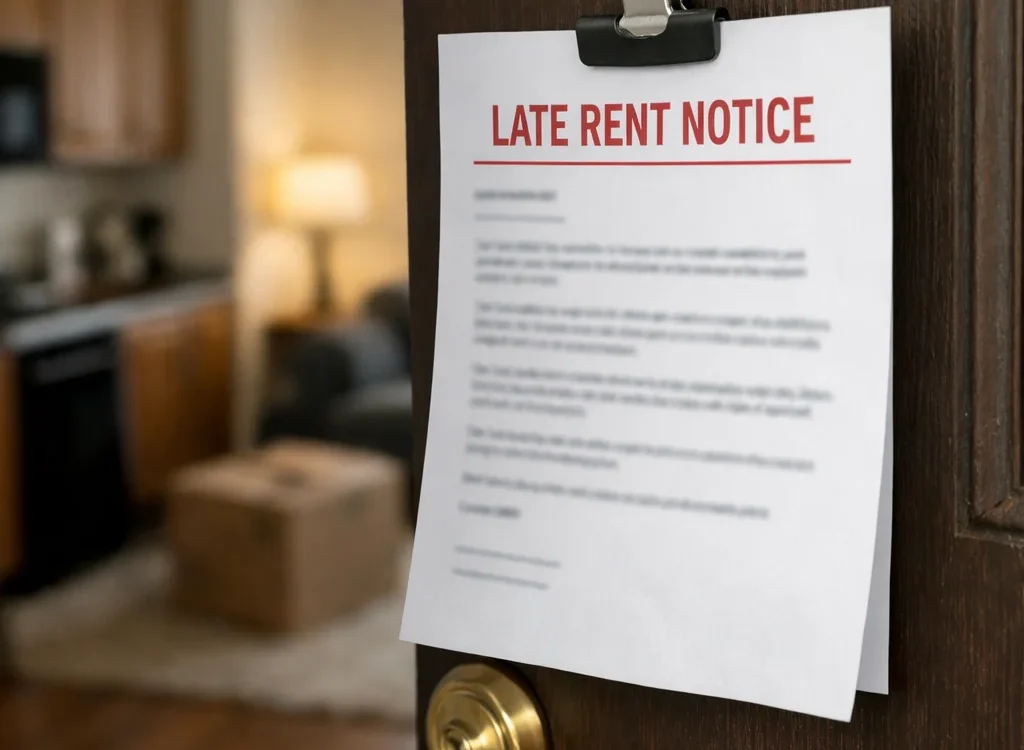
Late Rent Notice: Templates & Legal Requirements for Landlords
Late rent payments can disrupt cash flow and create tension between landlords and tenants. Whether you’re a landlord needing to enforce timely payments or a tenant facing financial hardship, understanding the proper procedures for issuing a late rent notice is crucial. This guide covers everything from legal requirements to practical templates, ensuring you handle late rent situations professionally and legally.
A late rent notice, often called a 3 day notice to pay or quit, is a formal document landlords use to notify tenants of overdue rent. It typically gives tenants 3 days to pay or face eviction proceedings. Legal requirements vary by state, so always check local laws before issuing one.
What Is a Late Rent Notice?
A late rent notice is a written document that informs a tenant their rent payment is overdue. It serves as the first formal step in the eviction process if the tenant fails to pay. Most states require landlords to provide this notice before filing for eviction, giving tenants a chance to remedy the situation. For example, in California, landlords must follow specific procedures outlined in the 21 day notice to vacate California guidelines for certain situations, but late rent typically involves shorter timelines.
Legal Requirements for a 3 Day Notice
Issuing a 3 day notice isn’t as simple as writing a note. You must comply with state and local laws to ensure it’s valid. Here are key legal requirements to consider:
- Proper Timing: Most states require rent to be at least one day late before issuing a notice, but some have grace periods. Check your lease agreement and local laws.
- Accurate Details: Include the tenant’s name, property address, amount due, due date, and a clear deadline for payment.
- Delivery Method: Laws often specify how to deliver the notice, such as in person, by certified mail, or posted on the door. Improper delivery can invalidate the notice.
- State Variations: Requirements differ widely. For instance, New Jersey has specific rules under New Jersey landlord tenant laws, while Indiana follows its own statutes.
How to Write a Late Rent Notice
Creating an effective late rent notice involves clear communication and legal precision. Follow these steps to ensure your notice is professional and enforceable:
- Gather Information: Collect the tenant’s full name, rental property address, lease details, and the exact amount of late rent including any fees.
- Use a Template: Start with a reliable template to avoid missing critical elements. You can find free rental lease agreement templates that often include notice forms.
- State the Purpose: Clearly indicate that the notice is for late rent and specify the 3 day deadline for payment.
- Include Consequences: Explain that failure to pay within the deadline may lead to eviction proceedings, as outlined in resources on how to file for eviction.
- Sign and Deliver: Landlord or property manager must sign the notice and deliver it according to legal requirements.
Free Late Rent Notice Templates
Using a template saves time and ensures compliance. Here are options for free templates:
- Basic Late Rent Notice Template: A simple form with fields for tenant info, amount due, and deadline. Suitable for most states with minor adjustments.
- State-Specific Templates: Templates tailored to local laws, such as a North Carolina lease agreement template that includes notice provisions.
- Customizable Digital Templates: Editable PDF or Word documents that allow you to add specific terms and fees.
What Tenants Should Do After Receiving a Notice
If you’re a tenant who receives a late rent notice, don’t panic. Take these steps to address the situation:
- Review the Notice: Check the details for accuracy, including the amount and deadline. Errors could invalidate it.
- Communicate with Your Landlord: Contact your landlord immediately to discuss payment options or hardships. Many landlords prefer communication over eviction.
- Pay the Rent: If possible, pay the full amount including any late fees before the deadline to avoid further action.
- Document Everything: Keep copies of the notice, payment receipts, and any correspondence. This protects your rights, especially if disputes arise.
- Seek Legal Advice: If you’re unable to pay or believe the notice is unfair, consult a tenant rights organization or attorney.
Comparing Late Rent Notices vs. Other Notices
It’s important to distinguish a late rent notice from other landlord notices. Here’s a comparison:
| Notice Type | Purpose | Typical Deadline |
|---|---|---|
| Late Rent Notice | Notify tenant of overdue rent | 3 days |
| Lease Violation Notice | Address non-rent lease breaches | Varies (e.g., 10-30 days) |
| Eviction Notice | Formal start of eviction after non-compliance | Set by court |
| Lease Renewal Notice | Inform tenant of renewal options | 30-60 days before lease end |
Common Mistakes to Avoid
Landlords often make errors when issuing late rent notices, which can delay eviction or lead to legal challenges. Avoid these pitfalls:
- Incorrect Amounts: Charging unauthorized late fees or miscalculating rent. Always refer to the lease and state laws.
- Poor Delivery: Failing to use a legally accepted delivery method. This is a common reason notices are dismissed in court.
- Missing Deadlines: Not giving the full 3 days as required. Some states count only business days, so check local rules.
- Lack of Documentation: Not keeping copies of the notice and proof of delivery. This is essential if you need to use a rental eviction notice template later.
FAQs About Late Rent Notices
What happens if I ignore a 3 day notice?
If you ignore a 3 day notice, the landlord can file for eviction in court. This process can lead to a court order requiring you to vacate the property, and it may appear on your rental history, making it harder to rent an apartment with an eviction in the future.
Can a landlord charge late fees without a notice?
Yes, landlords can charge late fees if specified in the lease agreement, but they must typically issue a late rent notice to start the eviction process for non-payment. Late fees are separate from the notice requirement.
How long does a landlord have to give a late rent notice?
Most states require landlords to wait until rent is at least one day late, but some have grace periods (e.g., 5 days). Check your lease and local laws, as timing can affect the validity of the notice.
Can I fight a late rent notice?
Yes, you can dispute a late rent notice if it contains errors, such as wrong amounts or improper delivery. Document the issues and communicate with your landlord. If unresolved, seek legal help to protect your tenant rights.
What should I include in a late rent notice template?
A good template should include tenant and landlord names, property address, amount of late rent, due date, deadline for payment (e.g., 3 days), late fees if applicable, and consequences of non-payment. Using a free rent receipt template can help track payments afterward.
Is a 3 day notice the same in every state?
No, requirements for a 3 day notice vary by state. Some states allow 3 calendar days, others only business days, and some have different notice periods for rent vs. other issues. Always verify local regulations.
Can a landlord evict without a late rent notice?
In most cases, no. Landlords must usually provide a late rent notice (or pay or quit notice) before filing for eviction due to non-payment. Skipping this step can result in the eviction case being dismissed.
What if I pay during the 3 day period?
If you pay the full overdue amount, including any late fees, within the 3 day period, the notice is typically resolved, and eviction proceedings stop. Ensure you get a receipt and keep records of the payment.
Leave a Reply