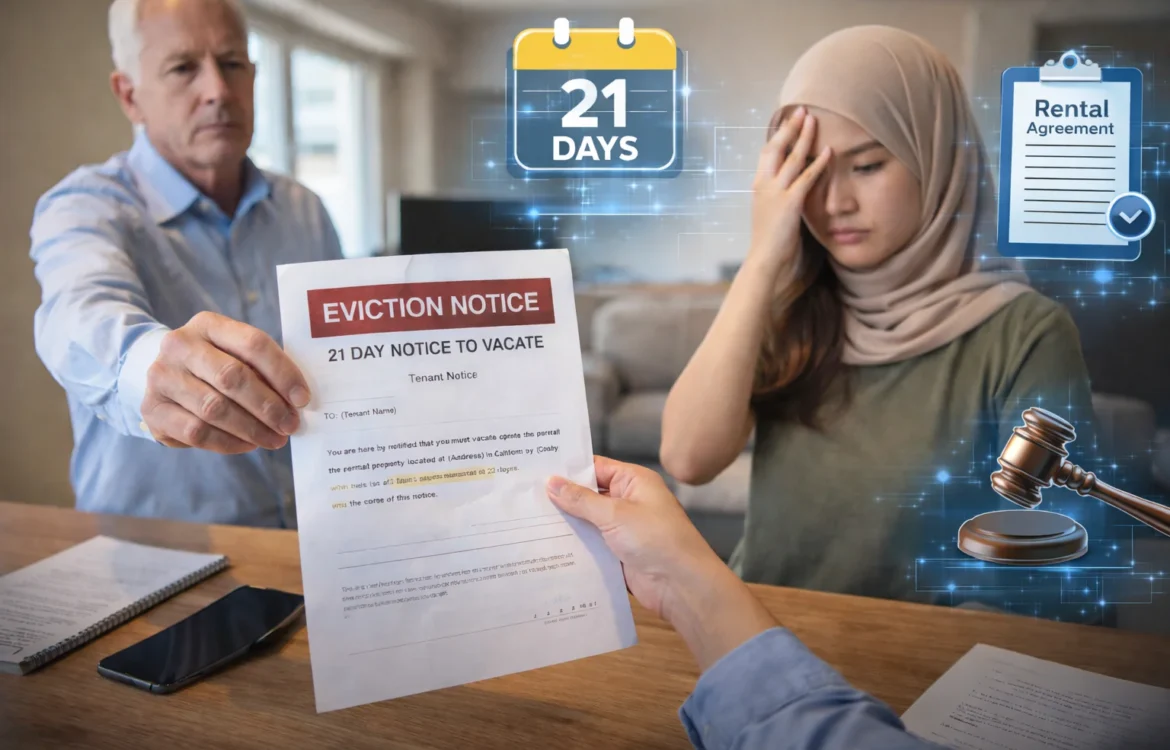
21 Day Notice to Vacate California: A Complete Guide for Tenants & Landlords
In California, receiving a 21-day notice to vacate can be a stressful experience for tenants, while landlords must navigate strict legal procedures to enforce it properly. This notice is a critical step in the eviction process, often used for month-to-month tenancies or specific lease violations. Understanding your rights and obligations under California law is essential to protect yourself, whether you’re a tenant facing displacement or a landlord seeking to regain possession of your property. This comprehensive guide breaks down everything you need to know about the 21-day notice in California, from its legal basis to practical steps for response.
⚡ Quick Answer
A 21-day notice to vacate in California is a written notice from a landlord to a tenant, typically used for month-to-month tenancies or certain lease violations, requiring the tenant to move out within 21 days. It must comply with California Civil Code 1946 and other state laws, and tenants have rights to contest it if improper. Failure to vacate may lead to an eviction lawsuit, so prompt action is crucial.
What Is a 21-Day Notice to Vacate in California?
A 21-day notice to vacate is a formal legal document used by landlords in California to terminate a tenancy. Unlike shorter notices for more severe issues, this notice provides tenants with 21 days to either comply with lease terms or move out. It’s commonly applied in situations where the tenancy is month-to-month or when a tenant has violated specific provisions of the lease that don’t warrant immediate eviction. Under California law, such notices must be delivered in writing and include key details like the reason for termination and the deadline to vacate. For landlords, using a proper rental eviction notice template can help ensure compliance and avoid legal pitfalls.
When Is a 21-Day Notice Used in California?
Landlords in California may issue a 21-day notice to vacate in several scenarios, primarily governed by state statutes. Understanding these situations can help both parties navigate the process effectively.
- Month-to-Month Tenancies: For tenants without a fixed-term lease, landlords can terminate the tenancy with a 21-day notice, as per California Civil Code 1946, provided no cause is required in most cases (though local rent control laws may impose restrictions).
- Lease Violations: If a tenant breaches the lease in a way that isn’t severe enough for a 3-day notice (e.g., minor property damage or unauthorized pets), a 21-day notice may be used to give the tenant time to cure the violation or leave.
- End of Fixed-Term Lease: While not as common, some landlords use a 21-day notice as a reminder near the end of a lease term, though a 30-day notice is standard for most terminations.
- Non-Payment of Rent: In rare cases, if rent is overdue but the tenant has a history of timely payments, a landlord might opt for a 21-day notice instead of a 3-day pay-or-quit notice, though this is less typical.
Legal Requirements for a Valid 21-Day Notice
To be enforceable in California, a 21-day notice must meet specific legal criteria. Failure to adhere to these requirements can render the notice invalid, giving tenants grounds to challenge it in court. Key elements include:
- Written Form: The notice must be in writing—verbal notices are not legally binding in California.
- Clear Language: It should state the reason for termination (if required), the deadline to vacate (21 days from delivery), and any options to cure violations.
- Proper Delivery: Landlords must deliver the notice using one of the methods approved by California law, such as personal delivery, posting on the property, or certified mail.
- Compliance with Local Laws: In cities with rent control or just-cause eviction ordinances, additional rules may apply, limiting when a 21-day notice can be used.
For example, under California Civil Code 1950.5, security deposit issues might intersect with notice requirements, so landlords should ensure all aspects of the tenancy are handled correctly.
Tenant Rights and How to Respond to a 21-Day Notice
If you receive a 21-day notice to vacate in California, it’s crucial to act quickly and understand your rights. Tenants have several options, depending on the circumstances.
- Review the Notice: Check if the notice is valid by verifying it meets all legal requirements. If it’s defective (e.g., missing information or improper delivery), you may have a defense in court.
- Negotiate with the Landlord: In some cases, you might resolve the issue by discussing it with your landlord—for instance, paying overdue rent or fixing a minor violation.
- Seek Legal Advice: Consult with a tenant rights organization or attorney, especially if you believe the notice is retaliatory or discriminatory.
- Prepare to Move: If the notice is valid and you choose not to contest it, start planning your move within the 21-day period to avoid an eviction lawsuit.
- File a Response in Court: If the landlord files an eviction lawsuit after the notice period, you must respond within 5 days to present your case.
Remember, having the right documents you need to rent an apartment can also help in future applications if you need to relocate.
Landlord Responsibilities and Steps to Issue a 21-Day Notice
For landlords, issuing a 21-day notice requires careful attention to legal details to avoid delays or legal challenges. Follow these steps to ensure compliance:
- Determine the Reason: Identify why you’re issuing the notice (e.g., end of month-to-month tenancy or lease violation) and ensure it aligns with California law.
- Draft the Notice: Use a clear, written format that includes all required information. Templates can be helpful, but customize them for your specific situation.
- Deliver the Notice: Choose a legal delivery method, such as handing it to the tenant personally or posting it on the property with follow-up mail.
- Keep Records: Document the delivery with photos, receipts, or witness statements to prove compliance if challenged in court.
- Wait for the Response: Allow the full 21 days for the tenant to vacate or cure the violation. If they don’t comply, you may proceed with filing an eviction lawsuit.
For more on the eviction process, refer to our guide on how to file for eviction, which covers subsequent steps after the notice period.
Comparing 21-Day Notice with Other California Eviction Notices
California law provides different notice periods depending on the situation. Here’s a comparison to help you understand when a 21-day notice is appropriate versus other options.
| Notice Type | Duration | Common Uses | Legal Basis |
|---|---|---|---|
| 3-Day Notice | 3 days | Severe lease violations (e.g., non-payment of rent, illegal activities) | California Code of Civil Procedure 1161 |
| 21-Day Notice | 21 days | Month-to-month tenancies, minor lease violations | California Civil Code 1946 |
| 30-Day Notice | 30 days | Termination of month-to-month tenancies (standard for most cases) | California Civil Code 1946 |
| 60-Day Notice | 60 days | Tenants who have lived in the unit for over a year | California Civil Code 1946.1 |
FAQs About 21-Day Notice to Vacate in California
Can a landlord give a 21-day notice without cause in California?
Yes, for month-to-month tenancies in areas without rent control or just-cause eviction laws, landlords can issue a 21-day notice without stating a reason, as per California Civil Code 1946. However, in cities like San Francisco or Los Angeles, local ordinances may require just cause for eviction, limiting this option.
What happens if I don’t move out after 21 days?
If you fail to vacate within the 21-day period, the landlord can file an unlawful detainer lawsuit (eviction case) in court. This could lead to a court order for removal, potential judgment for unpaid rent, and an eviction on your record, which might affect future rentals.
Can I fight a 21-day notice in California?
Yes, you can contest a 21-day notice if it’s invalid—for example, if it wasn’t delivered properly, lacks required information, or violates local rent control laws. You’ll need to respond in court if the landlord files an eviction lawsuit, presenting evidence to support your case.
Is a 21-day notice the same as an eviction?
No, a 21-day notice is not an eviction itself; it’s a preliminary step that gives the tenant time to vacate or resolve issues. An eviction only occurs if the tenant doesn’t comply and the landlord wins a court case. For details on eviction timelines, check our article on the apartment application timeline, which includes how evictions can impact rental approvals.
How is a 21-day notice delivered in California?
Landlords can deliver a 21-day notice by personal delivery to the tenant, leaving it with someone of suitable age at the residence, posting it on the property and mailing a copy, or using certified mail. Proper delivery is crucial for the notice to be legally valid.
Can I get a 21-day notice for non-payment of rent?
Typically, non-payment of rent in California requires a 3-day pay-or-quit notice, not a 21-day notice. However, in rare cases or under specific lease terms, a landlord might use a 21-day notice, but this is uncommon and may not comply with standard legal practices.
What should I do if I receive a 21-day notice?
First, review the notice for validity and understand your rights. Consider negotiating with the landlord, seeking legal advice, or preparing to move. If you believe the notice is unfair, gather evidence and be ready to respond in court if necessary.
Does a 21-day notice affect my security deposit?
A 21-day notice itself doesn’t directly impact your security deposit, but if you move out, the landlord must return the deposit within 21 days, minus any lawful deductions for damages or unpaid rent, as outlined in California Civil Code 1950.5.
Leave a Reply